There comes a point in many families where the conversation shifts from “Mom’s been a little slower lately” to “I’m worried she’s not safe cleaning that bathroom herself.” It’s a gradual change, and it usually happens before anyone has a plan for it.
Home cleaning for seniors involves more than just keeping a house tidy. It’s about maintaining a living environment that supports independence, reduces fall risk, prevents health hazards from neglect or improper chemical use, and gives aging adults the dignity of a clean, comfortable home without requiring physical effort that exceeds their safe capacity.
This guide covers the specific cleaning challenges seniors face, how to adapt routines to keep cleaning safe, the health risks of a poorly maintained home in older age, and when professional cleaning services become the right solution for an aging parent or relative.
Why Home Cleaning Becomes More Difficult With Age
Cleaning requires physical abilities that decline naturally over time. This isn’t a character flaw or a sign of not caring about cleanliness. It’s the reality of aging bodies dealing with tasks that have always required effort.
Mobility and balance issues: Reaching overhead to clean ceiling fans, bending to scrub the tub, kneeling to clean behind the toilet, and getting on hands and knees to scrub floors all become genuinely risky as balance declines. Falls during cleaning are a significant cause of injury among older adults. According to the Centers for Disease Control and Prevention, falls are the leading cause of injury and injury-related death among adults 65 and older, and many fall incidents occur during routine household activities.
Strength and endurance: Carrying a heavy vacuum up stairs, lifting a full mop bucket, scrubbing grout, and moving furniture to clean underneath all require physical strength that decreases with age. Tasks that took an hour at 50 may take three exhausting hours at 80, often with incomplete results.
Vision changes: Dust, spills, and grime that would be immediately visible to a younger person may not be apparent to a senior with reduced visual acuity. Cleaning what you can’t clearly see leads to missed areas and gradual buildup.
Chemical sensitivity: Older respiratory systems are more sensitive to cleaning product fumes, particularly bleach, ammonia, and strong solvents. Using these products in enclosed spaces like bathrooms can cause dizziness, respiratory distress, or adverse reactions that younger people might not experience.
Cognitive changes: For seniors experiencing early cognitive decline, the multi-step process of remembering to clean, gathering supplies, working through a cleaning sequence, and then properly storing chemicals becomes progressively more difficult to manage reliably.
The Health Risks of an Unclean Home for Seniors
A home that’s difficult to keep clean doesn’t just look untidy. It creates specific health hazards that are more consequential for older adults than for younger people.
Mold and mildew: Bathrooms and kitchens that aren’t regularly cleaned develop mold that affects indoor air quality. Seniors with respiratory conditions, compromised immune systems, or asthma are particularly vulnerable to mold-related health effects.
Dust and allergens: Dust mites, pet dander, and general particulate accumulation aggravate respiratory conditions. For seniors with COPD, asthma, or chronic allergies, a dusty home is genuinely a health environment.
Trip hazards from clutter: Items left on floors, clutter in hallways, and throw rugs that haven’t been secured properly become fall hazards. Cleaning and organization go together in maintaining a safe senior living environment.
Bacterial buildup: Kitchen surfaces and bathrooms that aren’t regularly disinfected accumulate bacteria that can cause illness. Seniors with weakened immune systems are more susceptible to foodborne illness and infections.
Pest attraction: Food debris, crumbs, and uncleaned kitchen areas attract rodents and insects. Seniors who have difficulty seeing small debris or who struggle with frequent kitchen cleaning are more vulnerable to pest infestations.
Adapting Cleaning Routines for Seniors
The goal is to maintain a clean, safe home without requiring physical effort that exceeds a senior’s safe capacity. Several strategies help.
Simplify the Cleaning Process
Replace multi-step cleaning tasks with simpler alternatives. A spray-and-wipe daily routine on kitchen counters prevents the buildup that requires heavy scrubbing. Daily bathroom sink wipe-downs prevent the soap scum and mineral deposits that require significant effort to remove once established.
Pre-mixed cleaning sprays eliminate the need to measure and combine products. Single-step disinfectant wipes handle high-touch surfaces (door handles, light switches, faucet handles) without requiring a bucket or separate cloth.
Choose Safer Cleaning Products
For seniors, product safety matters beyond just surface compatibility. Products with strong fumes should be replaced with fragrance-free or low-fume alternatives. Many effective cleaning products are now available in formulations without harsh solvents, bleach, or ammonia.
For bathroom cleaning specifically, gel or foam formulations stay in place rather than requiring as much scrubbing, and they don’t produce the same level of fume as spray bleach products.
Adapt Tools for Physical Limitations
Long-handled mops and scrubbers eliminate the need to bend or kneel. Lightweight cordless vacuums reduce the effort of vacuuming. Microfiber cloths on extension poles clean ceiling fans and high shelves without ladders.
Ergonomic cleaning tools with padded handles reduce grip strain for seniors with arthritis. Electric scrubbing brushes handle grout and tile scrubbing without the physical effort of hand scrubbing.
Prioritize Safety-Critical Areas
If a senior’s capacity for cleaning is limited, some areas matter more than others for health and safety.
Kitchen: Food preparation surfaces and the sink should be cleaned regularly to prevent bacterial growth and food safety issues. Inside appliances can be addressed less frequently but should not be neglected indefinitely.
Bathrooms: The toilet and sink need regular attention for hygiene. Shower and tub can be cleaned less frequently if non-slip mats and regular ventilation reduce mold risk.
Floors: Keeping floors clear of clutter and debris is the most important fall-prevention measure. This doesn’t require vigorous mopping but does require regular sweeping and immediate cleanup of spills.
When to Consider Professional Cleaning Services for Seniors
There are specific situations where professional cleaning services transition from a convenience to a genuine support need.
When physical limitations make cleaning unsafe: If cleaning tasks are causing falls, strains, or exhaustion, the activity itself has become a hazard. Professional cleaning removes the physical risk while maintaining the living environment.
When cognitive changes affect cleaning reliability: For seniors with early dementia or significant memory issues, maintaining a consistent cleaning routine becomes unreliable. A professional service on a scheduled basis ensures the home is cleaned consistently regardless of the senior’s cognitive capacity.
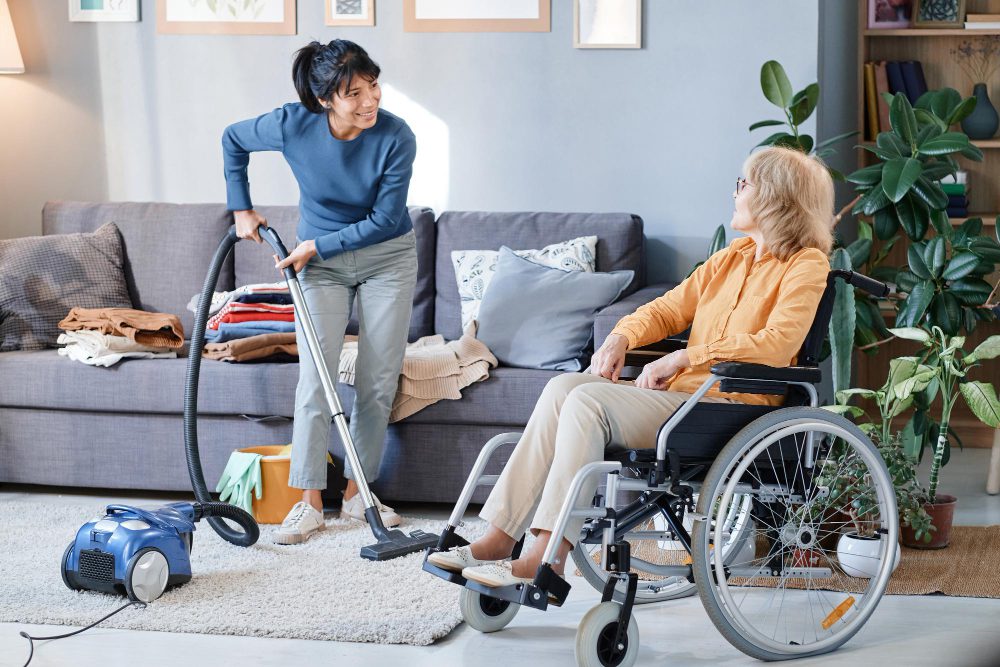
When family caregivers are managing multiple responsibilities: Adult children providing care for aging parents frequently take on cleaning as part of caregiving, often at significant personal cost in time and energy. Professional cleaning services relieve this burden and allow family caregivers to focus on more meaningful engagement with their aging relative.
When the home has fallen significantly behind: If a senior has been unable to clean adequately for weeks or months, a professional deep clean is the most efficient path to bringing the home back to a livable standard.
As a supplement to family cleaning: Some families handle cleaning on occasional visits and use professional service for the interim periods. This hybrid approach keeps costs manageable while ensuring the home maintains standards between family visits.
SHINENOS Home Care Cleaning Service
SHINENOS offers home care cleaning for seniors and their families throughout the Twin Cities metro. Our recurring service visits on a schedule that works for the household, whether weekly, biweekly, or monthly, covering all the areas that matter most for health and safety.
We serve seniors and their families in Minneapolis, Eden Prairie, Edina, Minnetonka, Plymouth, Maple Grove, Wayzata, and Excelsior.
Tips for Families Arranging Cleaning Help for Aging Parents
Introducing cleaning assistance to an aging parent requires sensitivity. Many seniors feel strongly about maintaining independence and may resist help initially.
Frame it as a benefit, not a deficit. “I want you to be able to enjoy your home without spending energy on cleaning” lands differently than “I’m worried you can’t handle this anymore.” The former is true and positive. The latter is accurate but harder to receive.
Start with areas the parent already finds difficult. Bathrooms and floors are often the first areas where seniors acknowledge that help would be welcome. Starting there, rather than taking over all cleaning at once, respects autonomy.
Be involved in the selection of a cleaning service. Letting a parent participate in choosing who comes into their home, and what the service covers, maintains a sense of control over the household.
Establish a consistent team. Seniors who receive regular cleaning service are more comfortable when the same person or team comes consistently. Ask specifically about consistency of staff when setting up recurring service.
Communicate preferences clearly. Seniors may have specific preferences about how things are organized, which products are used, or which areas are particularly important. Communicating these to the cleaning service upfront prevents frustration.
What a Professional Cleaning Service Covers in a Senior’s Home
A professional cleaning visit for a senior household covers:
Living and common areas:
- Vacuuming and mopping all floors
- Dusting all surfaces and furniture
- Wiping light switches, door handles, and remote controls
- Cleaning windows and sills
Kitchen:
- Wiping countertops and appliance exteriors
- Cleaning the sink and faucet
- Sweeping and mopping the floor
- Dishwasher exterior and counters
Bathrooms:
- Scrubbing the toilet inside and out
- Cleaning the sink and fixtures
- Wiping the shower or tub surfaces
- Mopping the floor
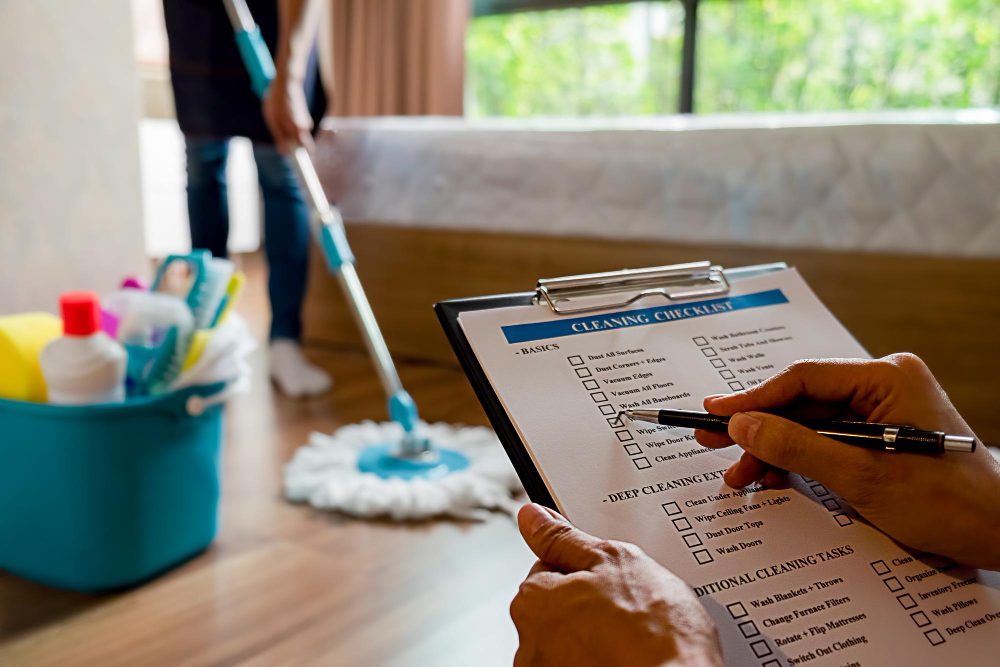
For deeper cleaning needs, our deep cleaning service covers inside appliances, grout, baseboards, inside cabinets, and all the areas that need thorough attention on a seasonal basis.
Frequently Asked Questions
How do I find a reliable cleaning service for my elderly parent?
Look for a company that carries liability insurance, background-checks all staff, offers consistent team assignments for recurring clients, and communicates clearly about scheduling. Ask specifically about their experience with senior clients and whether they accommodate specific product preferences or sensitivities.
How often should a senior’s home be professionally cleaned?
For most senior households, biweekly professional cleaning keeps the home in consistently good condition. Monthly service works for smaller homes or seniors who do some light cleaning themselves between visits. Weekly service is appropriate for seniors who need the most support or who have mobility limitations that prevent any self-cleaning.
Is professional cleaning tax deductible for a senior who receives it as a medical necessity?
In some cases, if a physician documents that cleaning services are medically necessary due to a disability or health condition, the cost may be deductible as a medical expense. Consult a tax professional for guidance specific to your situation.
What if my parent is uncomfortable with strangers in the home?
This is common and understandable. Starting with a smaller scope, such as just bathroom and kitchen, and using the same professional team consistently builds familiarity and comfort over time. Being present for the first few visits also helps a senior feel secure.
Can a cleaning service accommodate seniors with dementia?
Yes. Consistent teams, predictable schedules, and patient communication make professional cleaning workable for seniors with cognitive challenges. Clear communication with the family caregiver about what was done each visit also helps caregivers stay informed.
What’s the cost of cleaning services for seniors in Minnesota?
SHINENOS prices by square footage. A standard recurring clean for a typical senior’s home or apartment ranges from $220 to $385 per visit depending on size. Contact us for a quote based on the specific home.
What cleaning products are safe to use around seniors?
Fragrance-free, low-fume products without bleach or ammonia are the safest choices for seniors with respiratory sensitivity. Look for products with the EPA Safer Choice certification. Microfiber cloths with minimal product are effective for many cleaning tasks without the need for chemical cleaners.
Give Your Parent the Gift of a Clean, Safe Home
A clean home contributes directly to a senior’s health, safety, comfort, and dignity. When maintaining that cleanliness independently becomes difficult, professional cleaning services bridge the gap between what a senior can manage and what the home requires.
SHINENOS provides reliable, recurring home cleaning for seniors and their families throughout the Twin Cities area. Book a cleaning service for your parent’s home and give them the peace of a clean, safe living environment without the physical burden.