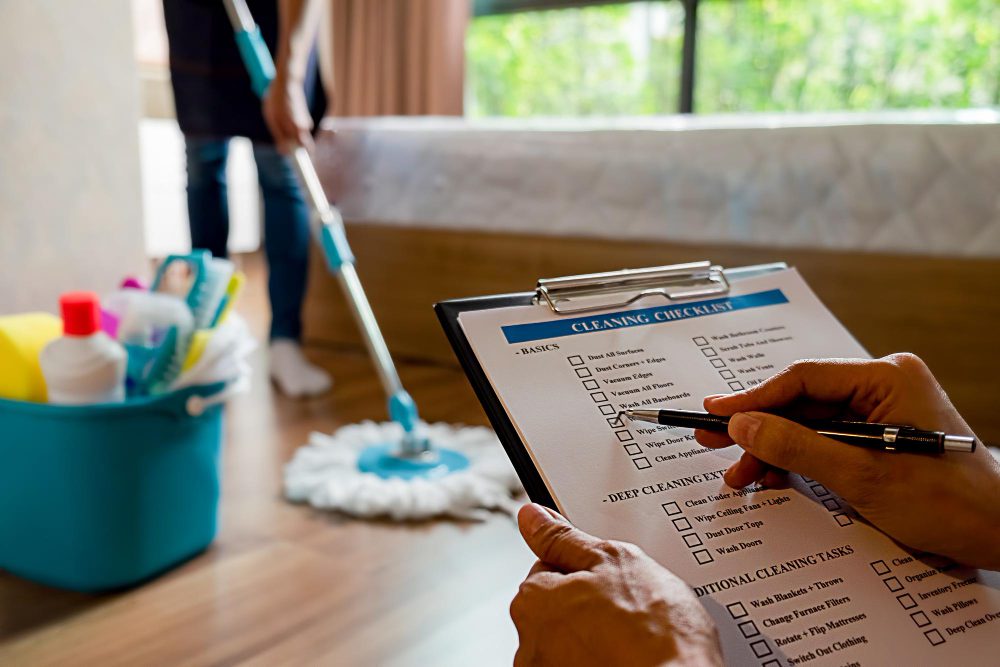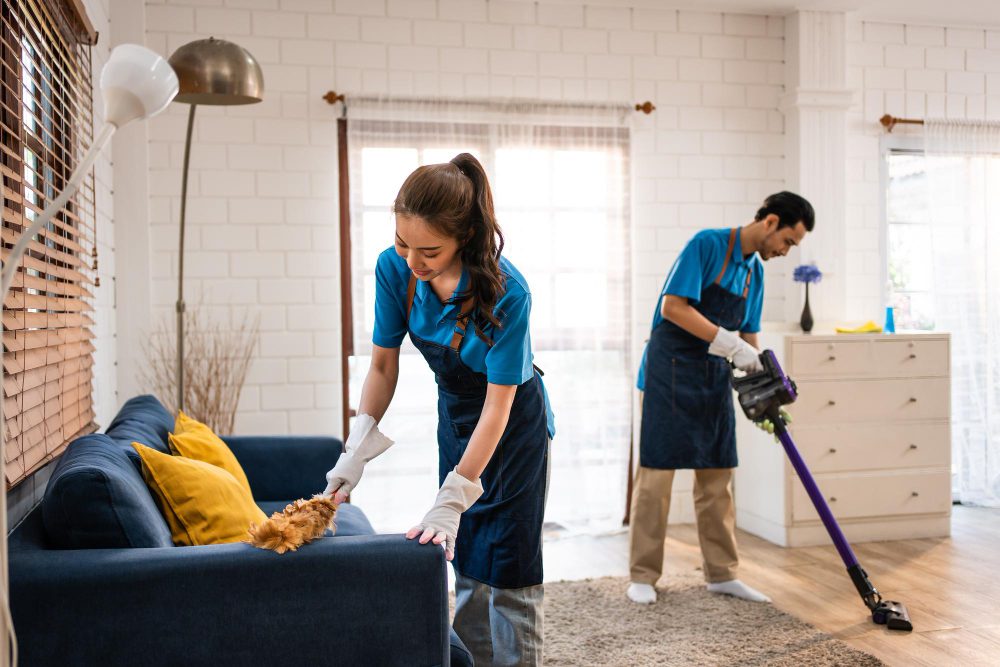
Choosing a house cleaning schedule is less about finding a universal rule and more about matching professional cleaning to the way your household actually lives. A busy family with children and pets may notice dust, crumbs, hair, and floor traffic within days. A smaller household that spends much of the day away from home may be comfortable maintaining the house for longer between professional visits.
Weekly and biweekly cleaning are two of the most common recurring schedules to consider. Weekly cleaning provides more frequent maintenance, while biweekly cleaning gives the household more time between visits and often works well when residents handle light cleaning themselves.
The right choice depends on traffic, pets, children, cooking, entertaining, home size, work-from-home routines, and how much cleaning you want to manage between appointments. This guide compares the two schedules so you can choose a routine based on your home’s actual needs.
Weekly vs. Biweekly House Cleaning at a Glance
The simplest difference is frequency: weekly cleaning brings professional help about once every seven days, while biweekly cleaning generally brings a visit about every two weeks. The practical difference is how much buildup the home experiences between appointments.
Weekly house cleaning
A maintenance-focused schedule for homes where dust, pet hair, crumbs, bathroom use, floor traffic, or clutter accumulate quickly.
Biweekly house cleaning
A maintenance-focused schedule that gives homeowners more time between visits and works well when they can handle basic upkeep themselves.
Occasional cleaning
A flexible option for households that mostly clean themselves but want professional help before guests, after a busy period, or when the home needs a reset.
What Does Weekly House Cleaning Usually Mean?
A weekly cleaning schedule is designed to keep the home consistently maintained rather than allowing two or more weeks of buildup between visits. Because the interval is shorter, each visit can focus on recurring household tasks and current problem areas.
- Vacuuming carpets and rugs.
- Cleaning hard floors.
- Dusting accessible surfaces.
- Cleaning bathrooms.
- Cleaning kitchen counters and sinks.
- Wiping frequently touched surfaces.
- Maintaining bedrooms and living areas.
- Removing visible everyday dirt and debris.
The exact service scope depends on the cleaning provider and the arrangement made with the homeowner. Weekly service can also make it easier to communicate small recurring problem areas before they become larger cleaning projects.
Who May Benefit From Weekly Cleaning?
Weekly service can make sense when the home changes noticeably from one week to the next. The following household patterns can make a shorter cleaning interval practical.
- Families with young children.
- Households with multiple pets.
- People who work from home most days.
- Households with frequent visitors.
- People who cook at home frequently.
- Large households with several occupants.
- Homes with high-traffic entryways and shared spaces.
- People with limited time for household cleaning.
- Households that prefer consistently maintained floors and bathrooms.
Weekly cleaning does not eliminate everyday household maintenance. Quick tasks such as putting items away, cleaning fresh spills, handling dishes, and managing pet messes are still useful between visits.
What Does Biweekly House Cleaning Usually Mean?
Biweekly cleaning creates a two-week maintenance cycle. The household receives professional cleaning regularly but has more responsibility for keeping the home manageable between appointments.
- Vacuum high-traffic areas between visits when needed.
- Wipe kitchen surfaces after cooking.
- Handle fresh bathroom messes.
- Keep dishes and clutter under control.
- Address pet accidents promptly.
- Empty trash before bins become overfilled.
- Clean isolated spills as soon as they happen.
When those light tasks are handled consistently, biweekly service can provide a useful balance between professional cleaning and homeowner maintenance.
Who May Benefit From Biweekly Cleaning?
- Couples or smaller households.
- Households without pets.
- People who spend significant time away from home.
- Homeowners who are comfortable vacuuming between visits.
- Households with relatively low daily traffic.
- People who want professional cleaning but do not need weekly maintenance.
- Homes where bathrooms and kitchens remain manageable for two weeks.
Biweekly cleaning may also suit households that want professional help with the most time-consuming recurring tasks while keeping smaller maintenance jobs in their own routine.
The Biggest Difference: What Happens Between Visits
The choice between weekly and biweekly cleaning becomes clearer when you look at the home’s condition shortly before the cleaner arrives.
If a home already feels noticeably overdue for cleaning after seven days, waiting another week may mean more buildup and more catch-up work. If the home remains comfortable and manageable after two weeks, biweekly cleaning may fit naturally.
Ask yourself what your home looks like on day seven. Are the floors visibly dirty? Are bathrooms overdue? Is pet hair accumulating? Are kitchen surfaces difficult to keep up with? If the answer is consistently yes, a weekly schedule may better match the home’s activity.
If the home still feels reasonably maintained and you can comfortably handle light cleaning between visits, biweekly service may be sufficient.
Weekly vs. Biweekly Cleaning for Families With Children
Children can change how quickly a home becomes difficult to maintain. Food crumbs, spills, fingerprints, toys, school items, bathroom use, and floor traffic can concentrate in shared areas.
Weekly may work well when
the home has young children, multiple shared spaces, frequent meals at home, or little time for cleaning during the week.
Biweekly may work well when
parents or other household members can handle quick vacuuming, surface cleaning, clutter pickup, and spill management between visits.
The number and age of children matter, but household routines matter too. A family that has a strong daily reset may be able to maintain a home longer between professional visits than a similarly sized household with a more hectic schedule.
Weekly vs. Biweekly Cleaning for Pet Owners
Pets are one of the clearest factors that can change cleaning frequency. Hair and dander can accumulate quickly, while outdoor pets can bring soil, moisture, leaves, and other debris through the entryway.
- How much your pets shed.
- How many pets live in the home.
- Whether pets spend significant time outdoors.
- Which rooms pets use most.
- How frequently you vacuum between professional visits.
- Whether pet hair on floors or furniture bothers household members.
A home with several pets may benefit from weekly maintenance, while a single low-shedding pet in a smaller home may be easier to manage on a biweekly schedule.
Weekly vs. Biweekly Cleaning for Work-From-Home Households
Working from home can increase the amount of time people spend around the house. Kitchens, bathrooms, offices, living rooms, and entryways may receive more daily use than they would in a household where everyone leaves for work or school.
- More frequent use of bathrooms.
- More meals and snacks prepared at home.
- More time spent in living areas.
- More visible dust or crumbs around workspaces.
- More frequent use of entryways for deliveries and errands.
A weekly schedule may appeal to people who want the home consistently maintained while they are spending most of the day there. Biweekly cleaning can still work if the household handles small tasks during the week.
Weekly vs. Biweekly Cleaning for People Who Cook Often
Cooking frequency affects the kitchen more than many other rooms. Grease, crumbs, food particles, fingerprints, and spills can build up around counters, stovetops, sinks, floors, and cabinet handles.
If you cook most meals at home, consider whether your kitchen remains manageable for two weeks. Wiping counters and cleaning spills daily can make a biweekly schedule practical. If kitchen buildup is consistently noticeable before the next appointment, weekly service may be more convenient.
A detailed kitchen reset can also be handled separately when a recurring visit does not provide enough time for less frequent tasks.
How Home Size Affects the Decision
Square footage matters because larger homes have more floors, bathrooms, surfaces, bedrooms, and shared areas to maintain. However, size should not be the only factor.
- A large home with two occupants and low traffic may remain manageable between visits.
- A smaller home with several children and pets can require frequent cleaning.
- Multi-level homes may accumulate traffic on stairs and hallways.
- Open floor plans can make dust and debris more visible across shared spaces.
- Townhomes and smaller properties may have concentrated traffic in fewer rooms.
Think about how the home is used rather than assuming a certain square footage automatically requires weekly or biweekly service.
What Happens If You Wait Too Long Between Cleanings?
A longer interval can allow more buildup to accumulate. The issue is not simply that the home looks dirtier. More buildup can mean that a greater portion of the next cleaning visit is spent catching up rather than maintaining the home.
- More visible dust.
- More pet hair.
- More floor debris.
- More bathroom buildup.
- More kitchen residue.
- More clutter around shared spaces.
- More time spent restoring the home to a comfortable condition.
If this happens regularly, moving from biweekly to weekly service may be worth considering. Another option is to keep biweekly service and add a periodic deep cleaning for tasks that are not practical during every recurring visit.
Weekly or Biweekly Cleaning: Which Is Better for Your Routine?
Instead of asking which schedule is universally better, ask which schedule fits your routine. A good schedule should leave the home feeling manageable between visits without creating unnecessary service frequency.
Choose weekly when
your home becomes noticeably dirty within a week, you have children or multiple pets, traffic is high, or you have very little time for cleaning.
Choose biweekly when
your home stays manageable for two weeks, household members can handle light maintenance, and you do not mind seeing some routine buildup before the next visit.
Consider a hybrid approach when
you want biweekly recurring cleaning but need occasional deep cleaning before holidays, events, seasonal changes, or busy periods.
A Simple Weekly Cleaning Routine Between Visits
If you choose weekly professional cleaning, the between-visit routine can stay relatively light. Focus on the messes that should not wait.
- Clean spills immediately.
- Keep dishes under control.
- Put clutter away.
- Empty trash when needed.
- Vacuum a particularly dirty area if necessary.
- Clean obvious bathroom messes.
- Handle pet accidents immediately.
- Wipe kitchen counters after meals.
A Simple Biweekly Cleaning Routine Between Visits
Biweekly service usually works best when the household takes a little more responsibility between professional visits.
- Vacuum high-traffic areas during the second week.
- Wipe kitchen counters regularly.
- Clean the kitchen sink as needed.
- Do quick bathroom touch-ups.
- Keep entryways free from tracked-in dirt.
- Manage pet hair between visits.
- Keep clutter under control.
- Address spills and stains promptly.
How Deep Cleaning Fits Into a Weekly or Biweekly Schedule
Neither weekly nor biweekly recurring cleaning necessarily replaces deep cleaning. Some tasks are naturally less frequent and can be rotated seasonally or handled during a separate detailed visit.
- Detailed baseboard cleaning.
- High-surface dusting.
- Detailed cabinet cleaning.
- More intensive bathroom buildup removal.
- Cleaning behind accessible furniture.
- Detailed appliance cleaning.
- Less frequently used rooms.
- Seasonal resets.
If your home needs a reset before starting recurring service, SHINENOS
If your home needs a reset before starting recurring service, deep cleaning can be considered before establishing a maintenance schedule.
Minnesota Seasonal Considerations
Minnesota homes can experience noticeable seasonal changes in traffic and the type of debris entering the house. Your recurring schedule does not necessarily need to change every season, but seasonal conditions can influence whether an additional cleaning is useful.
Winter
Snow, moisture, salt, and winter footwear can increase entryway and floor maintenance.
Spring
Mud, pollen, and increased outdoor activity can create more work around windows, doors, and floors.
Summer
Outdoor gatherings, pets, open windows, and increased movement between indoor and outdoor areas can raise traffic.
Fall
Leaves, soil, cooler weather, and increased time indoors can change cleaning needs.
A seasonal deep cleaning can supplement either weekly or biweekly recurring service when specific areas need more attention.
How to Test Whether Your Current Schedule Works
Instead of changing your schedule based on a single messy week, look for a pattern over several visits.
- Notice how the home looks one or two days before the cleaner arrives.
- Record which rooms become difficult to maintain first.
- Pay attention to floors, bathrooms, kitchens, and pet areas.
- Track how much cleaning you personally do between visits.
- Notice whether you regularly need a larger reset before guests arrive.
- Review the pattern after several weeks.
If the same areas repeatedly become difficult before the next visit, the frequency or task mix may need adjustment.
Questions to Ask Before Choosing Weekly or Biweekly Cleaning
- How many people live in the home?
- Do you have pets?
- How often do you cook?
- How much time do you have for cleaning during the week?
- How often do guests visit?
- Do you work from home?
- How quickly do your floors become dirty?
- How quickly do bathrooms need attention?
- Can household members handle light cleaning between visits?
- Do you want consistent maintenance or are you comfortable with more buildup between appointments?
Frequently Asked Questions
Is weekly or biweekly house cleaning better?
Both schedules can work. Weekly cleaning provides more frequent maintenance, while biweekly cleaning can work well for households that can handle light cleaning between visits. The right choice depends on household activity and cleaning needs.
Is biweekly cleaning enough for a family with kids?
It can be, especially when the family handles daily clutter, spills, dishes, and quick floor or bathroom maintenance. Families with heavy traffic may prefer weekly service.
Should I get weekly cleaning if I have pets?
Weekly service can be useful for homes where pet hair, dander, or outdoor debris accumulates quickly. A lower-traffic home with one pet may be manageable with biweekly cleaning.
How often should I hire a house cleaner?
Weekly and biweekly schedules are common recurring options. Monthly or occasional cleaning can also work for households that handle most maintenance themselves.
Can I switch from biweekly to weekly cleaning?
A cleaning schedule can be adjusted when household activity changes. New pets, children, work-from-home routines, frequent guests, or seasonal changes may affect cleaning needs.
Can I use biweekly cleaning and still have a deep clean?
Yes. Recurring cleaning can handle maintenance while a separate deep cleaning can address less frequent tasks or accumulated buildup.
Does a larger house need weekly cleaning?
Not automatically. Home size matters, but occupants, pets, traffic, cooking, and the amount of homeowner maintenance are also important.
What should I clean between biweekly professional cleanings?
Focus on spills, dishes, clutter, high-traffic floors, kitchen counters, bathroom touch-ups, trash, entryways, and pet messes.
Can weekly cleaning reduce the need for deep cleaning?
Consistent weekly maintenance can help prevent buildup, but some detailed tasks still need to be handled periodically.
What if my home feels dirty before the cleaner arrives?
If this happens consistently, consider whether weekly service, a different task mix, or an occasional deep cleaning would better match your household’s needs.
Final Thoughts
Weekly and biweekly house cleaning can both be effective when the schedule matches the way your household uses the home. Weekly cleaning can provide a tighter maintenance cycle for busy, high-traffic homes, while biweekly cleaning can work well when household members can manage light cleaning between visits.
Look at the condition of your home rather than choosing a schedule simply because it is common. If floors, bathrooms, kitchens, pet areas, and shared spaces become difficult to maintain within seven days, more frequent service may make sense. If the home remains comfortable for two weeks with basic upkeep, biweekly cleaning may be a practical fit.
For homeowners looking for a consistent maintenance routine,
For homeowners looking for a consistent maintenance routine, SHINENOS recurring cleaning can help keep regular cleaning on a predictable schedule. If the home needs a more intensive reset first, SHINENOS deep cleaning can be considered.
Book SHINENOS cleaning service to set up professional cleaning for your home.