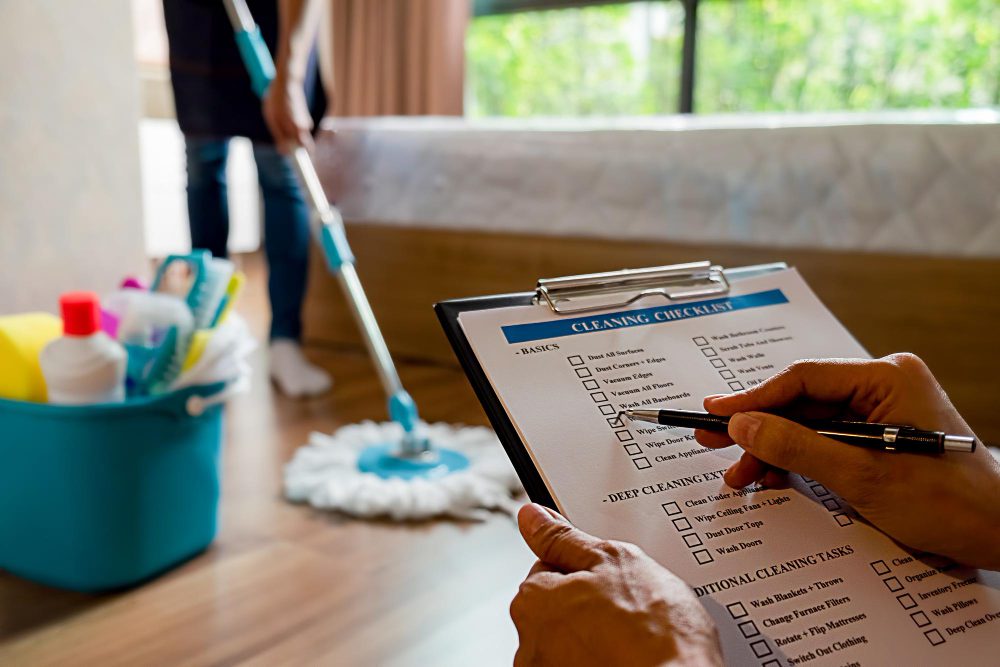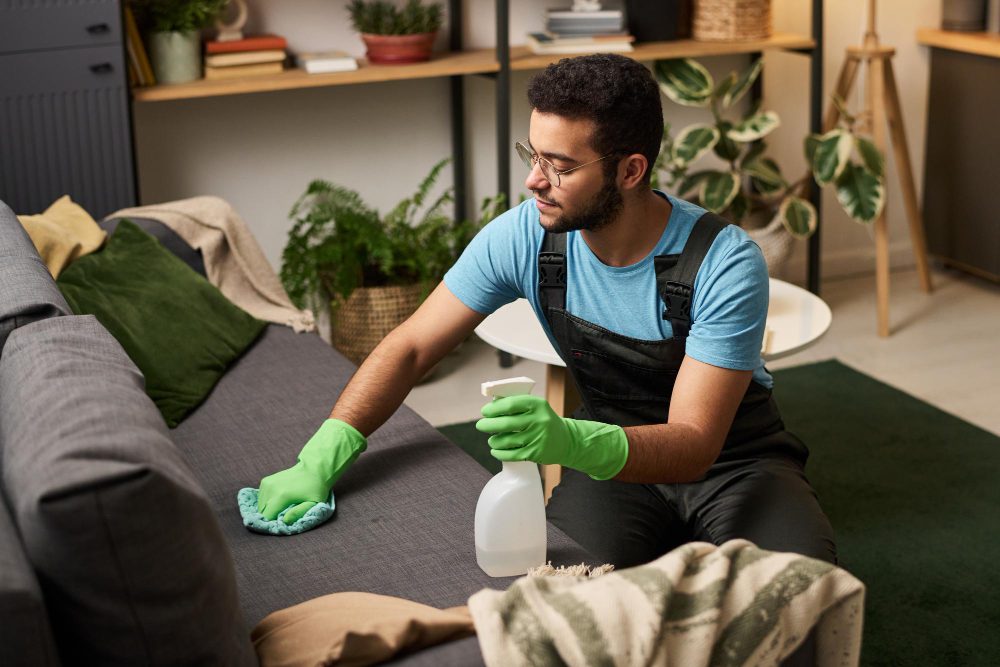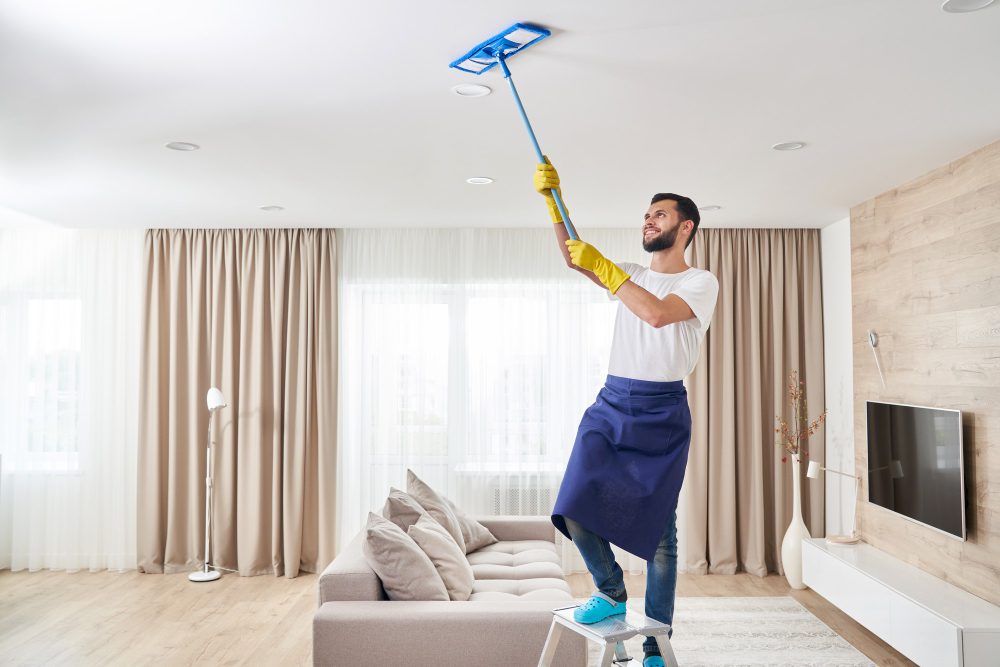
When people search for a deep cleaning service, they often want to know exactly what they are paying for. A regular cleaning may maintain the most frequently used areas, while a deep cleaning generally gives more attention to buildup, edges, corners, detailed surfaces, and tasks that are not completed during every routine visit.
Deep cleaning does not mean every home receives an identical list of tasks. The scope can vary based on the home’s condition, size, rooms, surfaces, requested add-ons, and the cleaning provider’s service package. Understanding the usual categories makes it easier to compare services and decide what your home actually needs.
This guide focuses on what a professional deep cleaning service typically covers and how that scope differs from routine cleaning. For a room-by-room task list you can work through yourself, see our deep cleaning checklist.
Here we explains what is commonly included in a professional deep cleaning, which rooms usually receive the most attention, what may be an add-on, and how deep cleaning fits into an ongoing house cleaning routine.
What Is Included in a Deep Cleaning?
A professional deep cleaning typically goes beyond everyday maintenance by giving additional attention to areas that accumulate dust, residue, hair, fingerprints, and buildup over time. Common areas include kitchens, bathrooms, bedrooms, living spaces, floors, entryways, doors, trim, and other accessible surfaces.
- Detailed dusting of accessible surfaces.
- Baseboards and floor edges.
- More detailed bathroom cleaning.
- Kitchen surfaces, cabinet fronts, and appliance exteriors.
- Vacuuming and floor care.
- Doors, handles, and other frequently touched surfaces.
- Accessible areas beneath or behind lightweight furniture.
- High and less frequently cleaned surfaces.
- Detailed attention to corners and visible buildup.
The exact scope should always be confirmed with the cleaning provider before the appointment, particularly for specialty surfaces, appliance interiors, windows, or other tasks that may be offered separately.
Deep Cleaning vs. Regular Cleaning
The main difference is depth and frequency.regular cleaning is designed to maintain a home’s everyday condition. Deep cleaning is intended to address tasks that need more time or attention.
Regular cleaning
Focuses on recurring maintenance such as bathrooms, kitchen surfaces, dusting, vacuuming, mopping, bedrooms, and living areas.
Deep cleaning
Adds detailed attention to buildup, edges, baseboards, corners, less frequently cleaned surfaces, and other areas that may not be addressed during every recurring visit.
A useful way to think about it is maintenance versus reset. Recurring cleaning helps maintain the baseline, while a deep clean can bring a home back to a more manageable condition when routine cleaning is no longer enough.
What Is Included in a Deep Cleaning Kitchen?
Kitchens often need detailed cleaning because cooking creates grease, crumbs, food residue, fingerprints, and buildup around frequently used surfaces.
- Countertops cleaned according to surface requirements.
- Sink and faucet cleaning.
- Stovetop cleaning.
- Cabinet fronts and handles.
- Appliance exteriors.
- Backsplash cleaning.
- Microwave exterior and, when included, interior.
- Accessible floor edges and corners.
- Detailed sweeping and mopping.
- Visible buildup around frequently used areas.
Kitchen appliance interiors such as ovens and refrigerators may be included by some providers or offered as add-ons. Ask before booking if these areas are important to your project.
If your kitchen needs ongoing maintenance after a deep clean, a recurring cleaning schedule can help keep counters, floors, bathrooms, and other regularly used areas manageable.
What Is Included in a Deep Cleaning Bathroom?
Bathrooms usually receive detailed attention because moisture, soap residue, hair, mineral deposits, and frequent use can create buildup.
- Toilet cleaning and disinfecting.
- Sink and faucet cleaning.
- Counter and vanity surfaces.
- Mirror cleaning.
- Shower and tub surfaces.
- Shower doors or other accessible glass surfaces.
- Cabinet fronts and handles.
- Floor cleaning.
- Edges and corners.
- Areas around the toilet base.
- Frequently touched handles and fixtures.
The appropriate method depends on the material. Natural stone, specialty finishes, glass, tile, and other surfaces should be cleaned using products suitable for the specific material.
Deep Cleaning Bedrooms
Bedrooms may look relatively clean while still collecting dust under furniture, along baseboards, around furniture edges, and on less frequently addressed surfaces.
- Detailed dusting of accessible furniture.
- Baseboard cleaning.
- Vacuuming carpets and rugs.
- Vacuuming accessible areas under furniture.
- Cleaning door surfaces and handles.
- Dusting lamps and accessible fixtures.
- Closet floor cleaning.
- Attention to corners and floor edges.
Bedding changes and mattress cleaning may be available depending on the service arrangement. Confirm these tasks before assuming they are part of the standard package.
Deep Cleaning Living Rooms and Family Spaces
- Dusting furniture and accessible surfaces.
- Vacuuming carpets and rugs.
- Vacuuming upholstery when appropriate.
- Cleaning baseboards.
- Cleaning accessible areas beneath furniture.
- Dusting decorative surfaces and frames.
- Cleaning doors and handles.
- Detailed floor care.
- Attention to corners and high-traffic areas.
Homes with pets may need additional attention around upholstery, rugs, stairs, and areas where animals rest.
Floors and Hard-to-Reach Areas
Floor cleaning is an important part of deep cleaning, but the correct method depends on the flooring material.
- Vacuuming carpets.
- Vacuuming rugs.
- Sweeping hard floors.
- Mopping hard floors using an appropriate product.
- Cleaning visible edges and corners.
- Addressing accessible areas beneath furniture.
- Paying additional attention to entryways and high-traffic paths.
Hardwood, laminate, vinyl, tile, and natural stone should not automatically receive the same cleaning treatment. Surface-specific instructions should always be followed.
Baseboards, Doors, Trim and Other Detailed Surfaces
One of the clearest differences between routine and deep cleaning can be the attention given to detailed surfaces.
- Baseboards.
- Door frames.
- Door panels.
- Handles.
- Trim.
- Accessible ledges.
- Light switches.
- Accessible vents and grilles.
- High surfaces where safe and practical.
- Corners and edges.
These areas can collect dust slowly, making them easy to overlook until buildup becomes visible.
High and Less Frequently Cleaned Areas
Deep cleaning often includes a review of areas that are not part of every routine visit. Examples can include accessible light fixtures, ceiling fan blades, high shelves, tops of furniture, and other reachable surfaces.
Safety matters when cleaning high areas. Professional cleaners should use appropriate equipment and should not be expected to perform unsafe work simply because a surface is difficult to reach.
What May Be Offered as a Deep Cleaning Add-On?
Some detailed tasks require additional time or specialized handling and may be priced separately. Common examples can include:
- Inside oven cleaning.
- Inside refrigerator cleaning.
- Interior cabinet cleaning.
- Blinds and detailed window treatments.
- Interior window cleaning.
- Detailed appliance interiors.
- Bed linen changes.
- Other specialty or targeted cleaning tasks.
Because service packages vary, confirm the exact inclusions and add-ons before the appointment.
What Is Usually Not Part of Standard Deep Cleaning?
A deep cleaning service should not automatically be interpreted as every possible household maintenance or restoration task. Certain work may require specialized equipment, tradespeople, or separate services.
- Major repairs.
- Painting.
- Heavy construction debris removal.
- Unsafe high-access work.
- Exterior building repairs.
- Major mold remediation.
- Pest control.
- Carpet restoration beyond the cleaning service’s normal scope.
- Large-scale junk removal unless specifically offered.
If a home has a specialized issue, ask the provider whether it is within their service scope before booking.
Deep Cleaning Before Recurring Cleaning
A deep clean can be useful as a starting point for households that want recurring professional cleaning. When a home has accumulated buildup, a routine appointment may spend much of its time catching up rather than maintaining the property.
Starting with a deeper reset can establish a cleaner baseline. Afterward, weekly, biweekly, or monthly recurring cleaning can focus on maintenance.
SHINENOS offers deep cleaning as an option for homes that need more detailed attention before returning to routine maintenance.
Deep Cleaning Before Guests or Special Events
A detailed cleaning can also be useful before an event when the goal is to make guest-accessible spaces feel fresh and orderly.
- Guest bathrooms.
- Entryways.
- Living rooms.
- Dining areas.
- Kitchen surfaces.
- Floors.
- Guest bedrooms.
- High-touch surfaces.
For event-specific preparation and cleanup, a dedicated special event cleaning service may be more appropriate than treating the project as an ordinary recurring visit.
Deep Cleaning for Move-In and Move-Out
Move-related cleaning has a different purpose from cleaning an occupied home. A property may need detailed attention before a new occupant arrives or before it is handed over to another party.
Move-in and move-out cleaning may include areas that become easier to access when furniture and belongings have been removed.
If your project is connected to a move, move-in and move-out cleaning can be considered separately from a standard deep cleaning service.
How Long Does a Deep Cleaning Take?
The duration depends on the home’s size, condition, number of rooms, amount of buildup, requested tasks, and whether specialty areas are included. A lightly maintained home may require less time than a property that has not received detailed cleaning for an extended period.
- Home size.
- Number of bathrooms.
- Kitchen condition.
- Amount of furniture and clutter.
- Pet hair and household activity.
- Flooring and surface types.
- Requested add-ons.
- Condition of less frequently cleaned areas.
It is useful to provide accurate information about the home when requesting a quote so the cleaning provider can plan the service appropriately.
How to Prepare for a Deep Cleaning
A little preparation can help the cleaner spend more time on actual cleaning rather than moving personal belongings.
- Put away personal items.
- Clear countertops where practical.
- Remove dishes and food from surfaces.
- Pick up clothing from floors.
- Secure valuables and important documents.
- Identify areas that need special attention.
- Tell the cleaner about delicate or specialty surfaces.
- Confirm any requested add-ons before the appointment.
Decluttering is not the same as deep cleaning. The goal is simply to make surfaces and floors accessible so cleaning can be completed efficiently.
How Often Should You Schedule Deep Cleaning?
Many households can use a seasonal or several-times-a-year rhythm, while high-traffic homes may need certain deep-cleaning tasks more often. The right frequency depends on how quickly buildup develops and how consistently routine cleaning is maintained.
- Every few months for active households.
- Seasonally for many homes.
- Before major events.
- After unusually busy periods.
- After renovations or construction.
- Before or after a move.
- When routine cleaning no longer feels sufficient.
Deep cleaning should complement recurring maintenance rather than replace it.
Deep Cleaning Checklist by Room
Kitchen
- Counters and backsplash
- Sink and faucet
- Stovetop
- Cabinet fronts and handles
- Appliance exteriors
- Floors and edges
- Pantry or appliance interiors when included
Bathrooms
- Toilet
- Sink and faucet
- Vanity
- Mirrors
- Shower or tub
- Glass surfaces
- Cabinet fronts
- Floors and edges
Bedrooms
- Dusting
- Baseboards
- Floors
- Under accessible furniture
- Closet floors
- Doors and handles
Living areas
- Furniture
- Upholstery
- Rugs
- Baseboards
- Doors
- Decorative surfaces
- Floors
Entryway
- Door
- Handles
- Mats
- Floors
- Corners
- Storage surfaces
Questions to Ask Before Booking a Deep Cleaning
- What rooms are included?
- Which detailed tasks are included?
- Are appliance interiors included?
- Are windows or blinds included?
- Are there additional charges for specialty tasks?
- What should I do before the cleaner arrives?
- How is the service priced?
- Can recurring cleaning follow the deep clean?
- Are there surfaces or conditions outside the service scope?
Frequently Asked Questions
What does deep cleaning include?
Deep cleaning generally includes more detailed attention to kitchens, bathrooms, floors, baseboards, corners, doors, accessible high surfaces, and other areas that may not receive attention during every routine cleaning.
What is the difference between a deep clean and a regular clean?
Regular cleaning focuses on recurring maintenance. Deep cleaning adds detailed work in areas where dust, residue, buildup, and neglected tasks have accumulated.
Does deep cleaning include inside appliances?
Some providers include certain appliance interiors while others offer them as add-ons. Confirm the exact service scope before booking.
Does deep cleaning include windows?
Window cleaning varies by provider and package. Interior glass, screens, tracks, or detailed window work may be separate services.
Should I declutter before a deep cleaning?
Yes. Putting away personal belongings and clearing accessible surfaces allows more time to be spent cleaning rather than organizing possessions.
How often should I deep clean my house?
A seasonal or several-times-a-year schedule can work for many households, but high-traffic homes may need more frequent detailed attention.
Can deep cleaning replace recurring cleaning?
It can provide a reset, but recurring cleaning is useful for maintaining the home afterward.
Is deep cleaning good before guests arrive?
Yes. A detailed cleaning can prepare guest-accessible rooms, bathrooms, kitchens, floors, and living spaces before an event or visit.
Is deep cleaning the same as move-out cleaning?
No. They can overlap, but move-out cleaning is specifically designed for a property transition and may address different priorities.
Can SHINENOS provide recurring cleaning after a deep clean?
SHINENOS offers recurring cleaning services that can be used as an ongoing maintenance routine after a deeper reset.
Final Thoughts
A deep cleaning service is best understood as a more detailed reset of the home, not simply a longer version of a routine cleaning visit. It can address buildup and less frequently cleaned areas while giving the household a cleaner baseline for ongoing maintenance.
Before booking, confirm what is included, what is considered an add-on, and which areas need special attention. This helps make the service more predictable and ensures your priorities are communicated clearly.
If your home needs a detailed reset, book SHINENOS deep cleaning. Afterward, recurring cleaning can help maintain the home on a regular schedule. Book SHINENOS to get started.