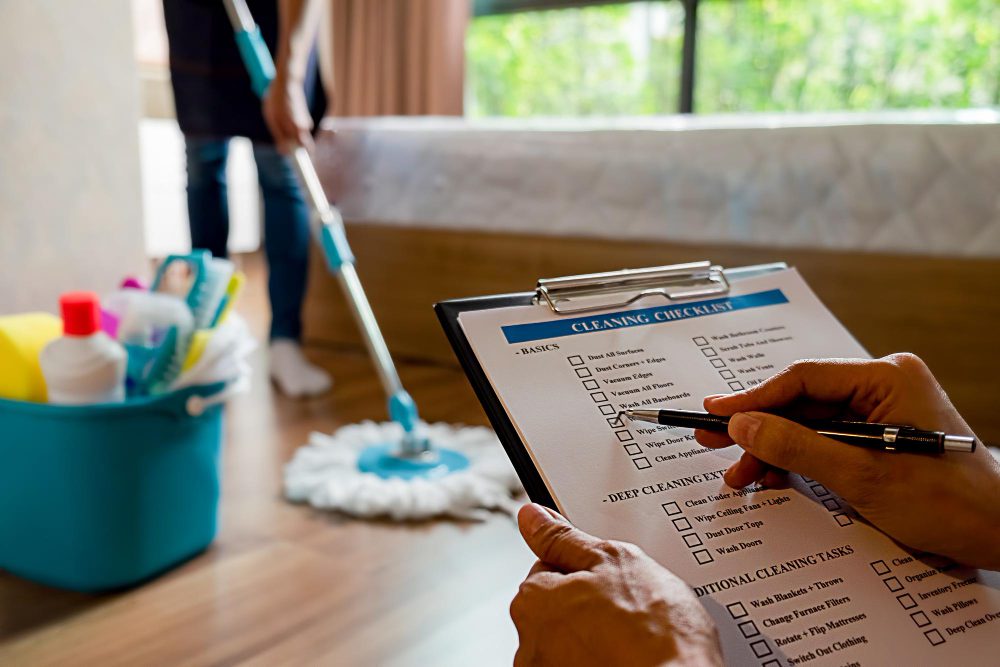
Fall is a useful time to reset your home before cooler weather changes how you use it. Windows begin to close, outdoor activities shift, entryways see more dirt and moisture, and families often spend more time indoors. A seasonal cleaning routine can address the areas that are easy to overlook during the busier summer months.
This fall cleaning checklist is designed specifically with Minnesota homes in mind. It focuses on practical tasks that help prepare living spaces, kitchens, bathrooms, bedrooms, floors, entryways, and other parts of the home for the months ahead.
Fall cleaning does not have to mean cleaning every surface in the house in a single weekend. A better approach is to work through the areas that change most with the season, then combine those tasks with your normal cleaning routine.
Why Fall Is a Good Time for a Home Cleaning Reset
Seasonal cleaning is different from routine cleaning because it gives you an opportunity to address tasks that may not belong on your weekly or biweekly list. Summer can leave behind dust, pollen, fingerprints, outdoor debris, pet hair, and buildup in areas that receive less attention during everyday cleaning.
As the weather cools, homes also tend to become more enclosed. Doors and windows stay closed more often, outdoor shoes can bring in moisture and dirt, and frequently used indoor spaces become more important. Cleaning before those changes become routine can make the transition easier.
A fall cleaning checklist can also help you identify small maintenance issues before they become frustrating during the colder months.
Fall Cleaning Checklist at a Glance
- Clean and organize entryways.
- Wash or clean removable entry mats and rugs as appropriate.
- Clean windows, screens, and accessible window tracks.
- Dust ceiling fans, light fixtures, vents, and high surfaces.
- Clean baseboards and corners.
- Wash or refresh bedding and blankets.
- Rotate or organize seasonal clothing.
- Deep clean kitchen surfaces and appliances that need attention.
- Clean and organize the pantry.
- Clean bathroom surfaces and less frequently addressed areas.
- Vacuum carpets, rugs, upholstery, and hard-to-reach areas.
- Address pet hair and dander buildup.
- Check high-touch surfaces.
- Prepare guest rooms if visitors are expected.
- Clean outdoor-to-indoor transition areas.
- Consider a professional fall deep cleaning for tasks that have accumulated.
1. Start With the Entryway
The entryway becomes especially important as fall progresses. Leaves, soil, moisture, and outdoor debris can be tracked into the house, making the entrance one of the first areas to show seasonal changes.
- Vacuum or sweep the entire entry floor.
- Mop hard flooring with a product appropriate for the surface.
- Vacuum both sides of rugs where the material allows it.
- Clean entry mats according to their care instructions.
- Wipe the inside of the front door.
- Clean door handles and other frequently touched hardware.
- Dust shelves, benches, ledges, and entry furniture.
- Remove summer items that are no longer needed.
- Create a practical place for jackets, shoes, umbrellas, and seasonal accessories.
- Check corners and areas behind furniture for accumulated dirt.
Keeping the entryway organized also makes future cleaning easier. A defined place for shoes and outerwear can help reduce clutter and limit how far dirt travels into the home.
2. Clean Windows and Screens Before More Time Indoors
Windows can collect dust, pollen, fingerprints, and outdoor residue over the warmer months. Fall is a useful time to clean accessible interior glass and remove accumulated debris from screens and window areas.
- Clean interior window glass.
- Dust or vacuum accessible window tracks.
- Clean screens according to the manufacturer’s care instructions.
- Wipe window frames and ledges.
- Remove visible cobwebs around windows.
- Check for fingerprints on frequently used windows and doors.
- Clean sliding-door tracks if accessible.
- Dry cleaned surfaces properly to avoid leaving moisture behind.
You do not need to turn every window into a major project at once. Prioritize windows in living areas, bedrooms, kitchens, and other rooms where you notice buildup.
3. Dust High Surfaces You May Have Missed During Summer
One of the most useful autumn cleaning tips is to work from high surfaces downward. Dust that is disturbed during cleaning can settle on lower surfaces, so the sequence matters.
- Ceiling fan blades.
- Light fixtures and shades.
- Top edges of tall furniture.
- Door frames.
- High shelves.
- Air-return grilles and accessible vents.
- Picture frames.
- Decorative ledges.
- Cabinet tops where accessible.
- Corners where cobwebs collect.
Use cleaning tools appropriate for the surface and avoid disturbing dust around electrical fixtures. For vents, grilles, and filters, follow the equipment manufacturer’s instructions.
4. Give Baseboards and Floor Edges Extra Attention
Baseboards often receive less attention than open floor areas. Over time, they can collect dust, pet hair, and marks, particularly in high-traffic rooms.
- Vacuum along baseboards before wiping them.
- Clean visible marks with a suitable cleaner.
- Pay attention to corners and behind accessible furniture.
- Clean stair edges and railings.
- Vacuum under beds and sofas where accessible.
- Move lightweight furniture when practical to clean underneath.
- Clean floor edges before the final vacuum or mop.
A seasonal pass over baseboards can make a noticeable difference without requiring the entire house to be deep cleaned from top to bottom.
5. Refresh Bedrooms for Cooler Weather
Bedrooms often change with the season as lighter summer bedding gives way to warmer blankets and different sleep routines. Fall is a convenient time to clean the bedroom before those items are put into regular use.
- Wash sheets and pillowcases.
- Wash or clean blankets according to their care instructions.
- Vacuum mattresses and surrounding floor areas.
- Clean under the bed where accessible.
- Dust nightstands, headboards, lamps, and dressers.
- Rotate or organize seasonal clothing.
- Store out-of-season items clean and completely dry.
- Clean closet floors.
- Remove clothing that no longer needs to remain in the active wardrobe.
- Vacuum closet corners and shelving.
If bedding has been stored during the warmer months, inspect it before use and follow its care instructions for washing or airing.
6. Reset Closets and Seasonal Clothing
A seasonal wardrobe change can quickly create clutter if clothing is moved without first sorting it. Fall cleaning is a good opportunity to make the transition deliberate.
- Remove clothing that is no longer appropriate for the current season.
- Wash items before long-term storage.
- Make sure stored clothing is completely dry.
- Group similar items together.
- Vacuum closet floors and corners.
- Dust shelves and storage surfaces.
- Set aside items that need repair or donation.
- Leave enough space for frequently used jackets and heavier clothing.
The same principle can be applied to linen closets, mudrooms, and storage areas. Cleaning before reorganizing prevents dust and debris from being trapped under newly arranged items.
7. Deep Clean the Kitchen Before Holiday Cooking Begins
Kitchen activity often increases later in the year as families prepare larger meals and spend more time cooking indoors. Fall is a practical time to get ahead of accumulated grease, crumbs, and clutter.
- Clean cabinet fronts and handles.
- Wipe countertops and backsplash surfaces.
- Clean the sink and faucet.
- Clean the stovetop.
- Clean the exterior of frequently used appliances.
- Clean the microwave interior if needed.
- Vacuum or sweep beneath accessible appliances.
- Mop the kitchen floor.
- Clean the refrigerator shelves and drawers when needed.
- Check the freezer for expired or unwanted items.
- Organize pantry shelves.
- Discard expired food.
- Wipe pantry shelves before returning items.
- Clean high-touch appliance handles.
If a kitchen has significant buildup, separate routine cleaning from deep cleaning. A focused professional cleaning may be more appropriate when grease, residue, or neglected areas require more time than a normal visit allows.
8. Organize the Pantry Before the Busy Season
A pantry reset is both a cleaning task and an organization task. Remove everything that has expired, wipe shelves, and return frequently used items in a way that makes them easy to access.
- Check expiration dates.
- Remove damaged or leaking packages.
- Vacuum crumbs from shelves and corners.
- Wipe shelves with an appropriate cleaner.
- Allow surfaces to dry before returning food.
- Group similar ingredients.
- Keep heavier items in safe, accessible locations.
- Place frequently used fall and winter ingredients where they are easy to reach.
9. Refresh the Living Room and Family Spaces
Living rooms often become more important as outdoor activities decrease. Before spending more evenings indoors, give shared spaces a seasonal reset.
- Vacuum carpets and rugs thoroughly.
- Vacuum upholstery according to fabric-care instructions.
- Clean under accessible furniture.
- Dust shelves, tables, lamps, and decorative items.
- Clean remote controls and other frequently touched surfaces appropriately.
- Wash or refresh washable throws and cushion covers.
- Clean visible fingerprints from doors and frequently touched surfaces.
- Remove unnecessary summer decorations or clutter.
- Check corners and behind furniture for dust and pet hair.
If the home has pets, pay extra attention to upholstery, rugs, and areas where animals regularly rest.
10. Pay Extra Attention to Pet Hair and Dander
Pets can bring outdoor debris indoors throughout the fall. Shedding can also become more noticeable as seasonal conditions change. Regular vacuuming is important, but fall cleaning can go a step further.
- Vacuum pet resting areas.
- Vacuum upholstery using an appropriate attachment.
- Clean pet feeding areas.
- Wash pet bedding according to care instructions.
- Clean floors around food and water bowls.
- Check entryways for tracked-in debris.
- Remove visible hair from corners and along baseboards.
- Clean under furniture where pet hair accumulates.
Households with multiple pets or heavy indoor traffic may need more frequent routine cleaning during the season.
11. Give Bathrooms a Seasonal Reset
Bathrooms should remain part of your regular cleaning routine, but fall is a useful time to address areas that are easy to overlook.
- Clean and disinfect toilets.
- Clean sinks and faucets.
- Wipe vanity surfaces.
- Clean mirrors.
- Scrub shower and tub surfaces according to the material.
- Clean shower doors or curtains as appropriate.
- Wash or replace bath mats when needed.
- Clean behind and around the toilet.
- Check corners and floor edges.
- Clean cabinet fronts and handles.
- Discard expired personal-care products.
Avoid mixing cleaning chemicals. Follow product labels and use ventilation appropriate for the products being used.
12. Clean Floors for Increased Indoor Traffic
Floor care becomes increasingly important as more time is spent indoors. Dirt brought through entryways can travel quickly across hard floors and carpets.
- Vacuum carpets slowly enough to collect embedded debris.
- Vacuum rugs and their surrounding floor areas.
- Sweep hard floors before mopping.
- Use a floor cleaner designed for the specific flooring material.
- Pay extra attention to entryways and hallways.
- Clean under accessible furniture.
- Address spills promptly.
- Check stairs and stair edges for accumulated debris.
Different flooring materials require different care. Hardwood, laminate, vinyl, tile, and natural stone should not automatically be cleaned with the same product or amount of moisture.
13. Clean High-Touch Surfaces
Seasonal cleaning is also an opportunity to revisit surfaces that receive frequent contact.
- Door handles.
- Light switches.
- Cabinet handles.
- Appliance handles.
- Stair railings.
- Remote controls.
- Frequently used drawer pulls.
- Faucet handles.
- Frequently touched electronic surfaces using manufacturer-safe methods.
Cleaning and disinfecting are not identical tasks. Use a product according to its label and intended surface rather than assuming every cleaner provides the same result.
14. Prepare Guest Rooms Before Fall Visitors
Fall can bring more indoor gatherings and overnight visitors. If you expect guests, prepare the room before the calendar becomes crowded.
- Wash guest bedding.
- Dust furniture and lamps.
- Vacuum the floor.
- Clean mirrors.
- Empty wastebaskets.
- Clear unnecessary items from drawers or closet space.
- Check the bathroom guests will use.
- Make sure towels and basic supplies are available.
- Clean high-touch surfaces.
- Check under the bed and in corners.
A guest room does not need to be cleaned differently from the rest of the house, but the details matter because visitors tend to notice areas that household members may overlook.
15. Do Not Forget the Laundry Area
Laundry rooms can collect lint, dust, detergent residue, and clutter. Include the area in your fall cleaning checklist rather than treating it as purely functional space.
- Clean accessible floor areas.
- Dust shelves and surfaces.
- Wipe appliance exteriors.
- Clean detergent spills.
- Remove lint from accessible areas according to appliance instructions.
- Organize laundry products safely.
- Check behind and beside machines where accessible.
- Keep ventilation areas clear and follow appliance maintenance instructions.
Dryer vent maintenance is a separate safety and maintenance task. Follow the dryer’s manufacturer recommendations and use qualified service when a vent requires professional attention.
16. Clean and Organize the Home Office
For households that spend more time working or studying indoors during colder months, a clean workspace can make the room easier to use.
- Dust the desk and surrounding surfaces.
- Clean the computer screen according to manufacturer guidance.
- Wipe frequently touched equipment appropriately.
- Vacuum around the desk.
- Organize paperwork.
- Remove empty boxes and unnecessary packaging.
- Clean chair surfaces according to their care instructions.
- Clear cables and clutter from the floor.
17. Check the Dining Area Before Seasonal Gatherings
Dining spaces can receive increased use during fall and the holiday season. Clean the table, chairs, floors, and nearby surfaces before entertaining becomes more frequent.
- Clean the dining table.
- Wipe chair backs and seats according to material.
- Dust light fixtures safely.
- Vacuum or mop under the table.
- Clean nearby baseboards.
- Check the floor for old spills or sticky residue.
- Organize serving items if the area includes storage.
18. Clean Outdoor-to-Indoor Transition Areas
Minnesota homes can experience significant changes at the threshold between outdoor and indoor spaces as temperatures drop. These transition areas deserve more attention once leaves, soil, moisture, and other debris become common.
- Vacuum or sweep around exterior doors.
- Clean mats and rugs according to their care instructions.
- Wipe door frames.
- Clean door handles.
- Mop hard floors.
- Check corners for accumulated debris.
- Keep cleaning supplies available for quick spill response.
19. Fall Cleaning for Homes With Allergies or Sensitivities
Seasonal cleaning can be useful for reducing accumulated dust and visible debris, but cleaning alone should not be presented as a treatment for allergies or respiratory conditions. If someone in the household has a medical condition or significant sensitivity, follow advice from an appropriate healthcare professional.
- Use suitable cleaning methods for dust removal.
- Wash bedding regularly according to care instructions.
- Vacuum carpets and rugs thoroughly.
- Clean high surfaces where dust accumulates.
- Keep frequently used rooms free from unnecessary clutter.
- Follow HVAC and filter maintenance instructions.
20. Decide What Needs Deep Cleaning
Not every fall cleaning task needs to happen every season. Look at the condition of the home and identify areas where normal recurring cleaning is no longer enough.
- Heavy buildup on kitchen surfaces.
- Neglected bathroom areas.
- Significant dust on baseboards or high surfaces.
- Carpet or upholstery requiring more intensive attention.
- Accumulated dirt in corners and behind furniture.
- Areas that have been repeatedly postponed.
- A home that has not received professional cleaning for an extended period.
If your home needs a more intensive reset, SHINENOS offers
If your home needs a more intensive reset, deep cleaning services that can be considered before returning to a regular maintenance routine.
21. Fall Cleaning Schedule: Do It in Stages
Trying to complete every task in one day can make seasonal cleaning feel much harder than it needs to be. Divide the work into manageable stages.
Stage 1: Declutter
Remove items that no longer belong in active living spaces. Organize seasonal clothing, entryway items, and storage areas.
Stage 2: High and detailed surfaces
Dust fans, fixtures, shelves, door frames, baseboards, and other less frequently addressed surfaces.
Stage 3: Kitchen and bathrooms
Work through appliances, counters, cabinets, sinks, showers, tubs, toilets, and floors.
Stage 4: Bedrooms and living spaces
Refresh bedding, vacuum upholstery, clean floors, and organize shared rooms.
Stage 5: Entryways and floors
Finish with the areas most likely to receive seasonal dirt and traffic.
Stage 6: Final check
Walk through the home room by room and address anything missed.
22. Fall Cleaning Tips That Make the Work Easier
- Work from top to bottom.
- Clean one room at a time when possible.
- Declutter before detailed cleaning.
- Keep frequently used cleaning supplies together.
- Use the correct product for each surface.
- Do not mix cleaning chemicals.
- Read product labels and follow manufacturer instructions.
- Use microfiber cloths appropriately for dust and surface cleaning.
- Clean floors after higher surfaces.
- Handle spills promptly instead of allowing them to build up.
- Do not turn every seasonal task into a deep-cleaning project.
23. When Should You Schedule a Professional Fall Cleaning?
Professional cleaning can be useful when seasonal cleaning has accumulated beyond what you can comfortably complete yourself. It may also help when you want a clean starting point before establishing a recurring schedule.
- You have limited time for a seasonal reset.
- The home has accumulated dust or buildup in several areas.
- You are preparing for fall or holiday guests.
- You have recently completed a move or renovation.
- You want help with a larger home.
- You want to combine seasonal cleaning with recurring service.
- You would rather spend your available time on household organization and other priorities.
For ongoing maintenance, SHINENOS recurring cleaning can help keep routine cleaning tasks on a regular schedule.
Fall Cleaning Checklist by Room
Entryway: Floors, mats, doors, handles, storage, corners and seasonal outerwear.
Kitchen: Counters, sink, stovetop, appliances, refrigerator, pantry, cabinet fronts and floors.
Living room: Dusting, upholstery, rugs, floors, high-touch surfaces and clutter.
Bedrooms: Bedding, mattress area, closets, floors, furniture and seasonal clothing.
Bathrooms: Toilets, sinks, counters, mirrors, showers, tubs, floors and supplies.
Laundry room: Floors, appliance exteriors, lint and product organization.
Home office: Desk, equipment, floors, paperwork and frequently touched surfaces.
Guest room: Bedding, dusting, mirrors, floors, storage and supplies.
Frequently Asked Questions
What should I clean when fall starts?
Focus on entryways, windows, floors, baseboards, high surfaces, bedding, closets, kitchens, bathrooms, living areas, and other spaces that may have accumulated summer dust and debris.
What are the most important fall cleaning tasks?
A useful starting point is entryway cleaning, floor care, kitchen and bathroom cleaning, dusting high surfaces, refreshing bedding, organizing seasonal clothing, and addressing areas that have been neglected during routine cleaning.
How often should I do a fall cleaning?
A detailed seasonal cleaning is generally a one-time reset rather than a weekly task. Smaller maintenance tasks should continue throughout the season.
Is fall cleaning the same as deep cleaning?
Not necessarily. Fall cleaning is seasonal and can include routine, organizational, and deeper tasks. Deep cleaning is more intensive and focuses on areas that need more detailed attention.
Should I clean my windows in the fall?
Cleaning accessible interior glass, frames, screens, and tracks can be useful after the warmer months. Use methods appropriate for the specific window materials.
How do I prepare my house for fall?
Clean entryways, floors, windows, kitchens, bathrooms, bedrooms, closets, and high surfaces. Organize seasonal clothing and prepare areas that will receive more indoor traffic.
What should I clean before holiday guests arrive?
Prioritize entryways, bathrooms, guest rooms, kitchen and dining areas, floors, visible surfaces, and high-touch areas. A professional cleaning can help if the home needs a larger reset.
How can I keep my house clean during fall?
Maintain entryways, vacuum high-traffic floors regularly, address spills promptly, keep seasonal clothing organized, and continue your normal recurring cleaning routine.
When should I hire professional fall cleaning services?
Professional help can be useful when the seasonal workload is too large to manage comfortably, when the home needs a deeper reset, or when you want to prepare for guests or establish a recurring maintenance schedule.
Final Thoughts
A good fall cleaning routine is not about making every room perfect in one day. It is about preparing the home for a change in weather, activity, and daily habits. Start with the areas that will experience the biggest seasonal change, especially entryways, floors, bedrooms, kitchens, bathrooms, and shared living spaces.
Use the checklist as a guide rather than a rigid rule. Some homes will need more attention in kitchens and floors, while others may benefit most from closet organization, pet-hair removal, guest-room preparation, or detailed dusting.
If your Minnesota home needs professional help with a seasonal reset, book a SHINENOS cleaning service and make fall cleaning easier to manage.