You’ve waited months for the renovation to finish. The countertops are in. The flooring is done. The painters are wrapping up. Then you walk through the finished space and realize that “done” and “ready to live in” are two very different things.
Construction and renovation projects, no matter how carefully managed, leave behind a mess that regular cleaning can’t address. Drywall dust settles on every surface in the house, not just the room being worked on. Adhesive residue sticks to new floors. Paint overspray gets on windows. Grout haze covers tile. Construction debris ends up in places you wouldn’t expect.
Post-construction cleaning is its own category of service. It’s more thorough, more technical, and more time-consuming than a standard house clean. This guide covers exactly what it involves, how to prepare your home for it, and what to look for when hiring a company to handle it.
Why Regular Cleaning Doesn’t Cut It After Construction
The main culprit is drywall dust. It’s incredibly fine, which means it travels through a home and settles on every horizontal surface: inside cabinets, on top of door frames, on ceiling fan blades, inside HVAC vents, behind appliances. It’s also alkaline, which means it can be corrosive over time on certain surfaces if it isn’t removed properly.
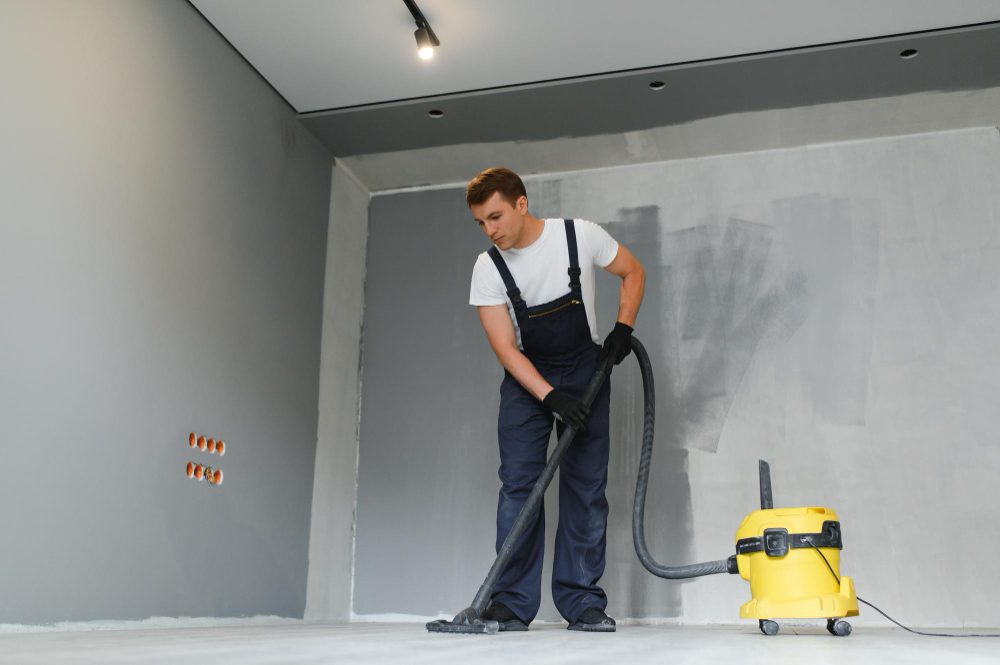
Standard cleaning methods don’t address drywall dust effectively. A regular vacuum doesn’t have fine enough filtration to capture it without redistributing it into the air. A dry mop spreads it rather than removes it. Getting it fully out requires a specific process using HEPA filtration equipment, dry microfiber wiping in the right sequence, and appropriate wet cleaning methods for floors and surfaces.
Beyond drywall dust, post-construction spaces often have adhesive residue on floors from protective tape, paint overspray on windows, grout haze on new tile, caulk residue on fixtures, and general construction debris that didn’t make it into the contractor’s trash.
Getting all of this cleaned before you move in or start using the space isn’t optional. Living in a freshly constructed home with uncleaned drywall dust means breathing it continuously and watching it slowly damage surfaces and HVAC systems.
What Post-Construction Cleaning Typically Involves
Professional post-construction cleaning usually happens in two or three phases, depending on the scope of the project.
Phase 1: Rough Clean (During Construction)
Some construction projects include a rough clean at the end of the rough-in phase, before finishes go in. This removes large debris and prepares the space for finish work. Not every project includes this phase.
Phase 2: Final Clean (After Construction Is Complete)
This is the main event. A thorough final clean covers:
Throughout the entire home:
- HEPA vacuum all surfaces including walls, ceilings, and baseboards
- Wipe down all surfaces with appropriate cleaning agents for each material
- Clean inside all cabinets and drawers (which collect drywall dust even when closed)
- Wipe down all doors, door frames, and hardware
- Clean window sills, tracks, and interior glass surfaces (including removing paint overspray)
- Clean all light fixtures and ceiling fans
- Clean HVAC vents and returns (removing construction debris that’s settled in)
- Clean baseboards
- Sweep, vacuum, and mop all floors using appropriate methods for each floor type
In the kitchen:
- Clean all appliances inside and out if they were present during construction
- Wipe inside and outside all cabinetry
- Clean countertops of any adhesive residue or debris
In bathrooms:
- Remove grout haze from new tile
- Clean new fixtures of installation residue
- Clean shower and tub surrounds
- Wipe down all surfaces
Phase 3: Touch-Up Clean (if Needed)
In some projects, especially large renovations where the work takes longer, a final touch-up clean happens after any remaining punch-list items are addressed. Small additional work after a final clean (touching up paint, adjusting fixtures) can create new dust and residue that needs attention before the space is ready.
How Minnesota Construction Projects Create Specific Challenges
Minnesota’s climate adds some complications to construction projects and their aftermath that aren’t as significant in other parts of the country.
Heating season means windows stay closed during construction for months at a time, which allows drywall dust and construction debris to accumulate without the ventilation that open windows provide. The dust settles more heavily and in more places.
Winter construction also involves contractors tracking in moisture, dirt, and salt from sidewalks and driveways. This creates floor contamination that goes well beyond typical construction debris and often affects areas of the home not being renovated.
Summer humidity during construction can affect how drywall compound cures and how adhesives behave, sometimes leaving residue that requires more attention during cleanup.
Post-construction cleaning crews experienced in the Twin Cities area know these patterns and come prepared to address them.
Preparing Your Home for Post-Construction Cleaning
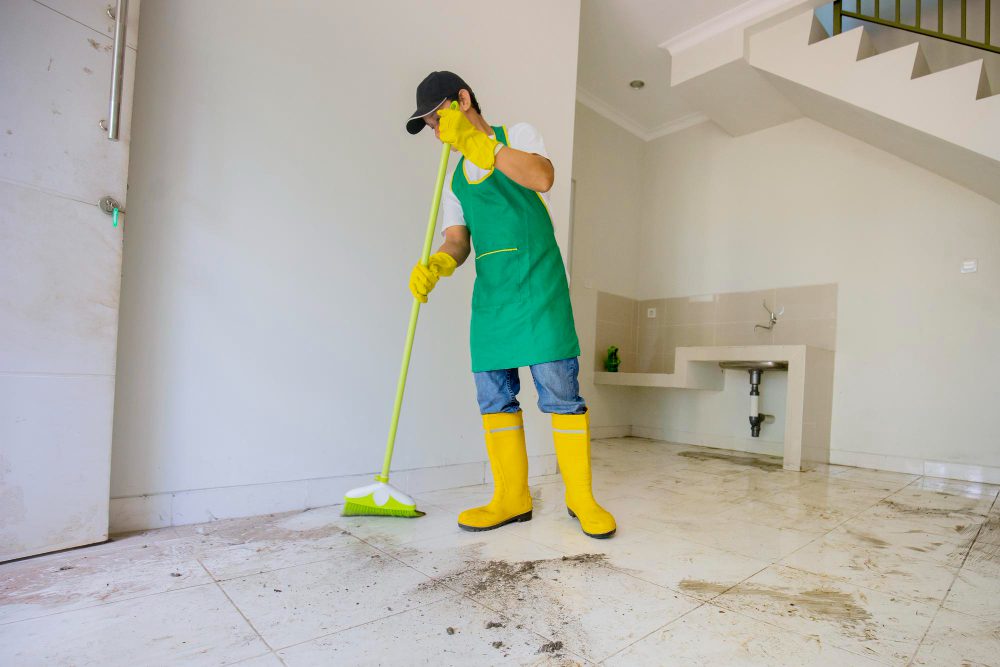
The more organized the space is before the cleaning crew arrives, the more efficient the process will be. Here’s how to prepare:
Make sure all construction is actually finished. This sounds obvious, but post-construction cleaning that happens before punch-list work is complete will need to be partially redone. Confirm with your contractor that all work, including touch-ups, is finished before scheduling your clean.
Remove or protect items you’ve already moved in. If you’ve staged furniture or brought in items before the final clean, cover them with drop cloths or move them out of the work areas.
Ensure the HVAC system has a fresh filter. Post-construction cleaning stirs up a significant amount of fine particulate. Starting with a fresh filter and replacing it again after the cleaning is complete protects your system.
Arrange for access. Post-construction cleaning is comprehensive and takes time. Plan for the cleaning crew to have uninterrupted access to the entire space. For a large home after a major renovation, expect the process to take a full day or longer.
Know what materials need special handling. New flooring types (polished concrete, certain hardwoods, luxury vinyl plank) have specific cleaning requirements. Communicate these to the cleaning company before the appointment.
How Long Does Post-Construction Cleaning Take?
More than most people expect.
A newly built 2,000-square-foot home in average construction condition takes a professional crew six to ten hours for a thorough final clean. A larger home or one with particularly heavy dust accumulation takes proportionally longer.
Homes where multiple trades were working simultaneously (drywall, painting, flooring, tile) tend to have heavier contamination throughout the house than projects where work was done in isolated phases.
Major renovations to existing homes sometimes take longer than new builds because the dust has mixed with existing household grime in areas that weren’t being renovated.
Plan the cleaning as a full-day event and don’t schedule move-in for the same day if you can avoid it.
Post-Construction Cleaning vs Move-In Cleaning: What’s the Difference?
They’re related but not identical.
Post-construction cleaning is specifically focused on removing construction-specific residues: drywall dust, adhesives, grout haze, paint overspray, and construction debris.
Move-in cleaning (sometimes called a pre-move-in clean) prepares a home for occupancy and focuses on sanitation, organization readiness, and general cleanliness. If a home has been vacant for a period after construction was completed, it may need both.
Our move-in/move-out cleaning is designed for occupancy preparation. For active construction cleanup, contact us to discuss the scope of your specific project.
What to Look for When Hiring a Post-Construction Cleaning Company
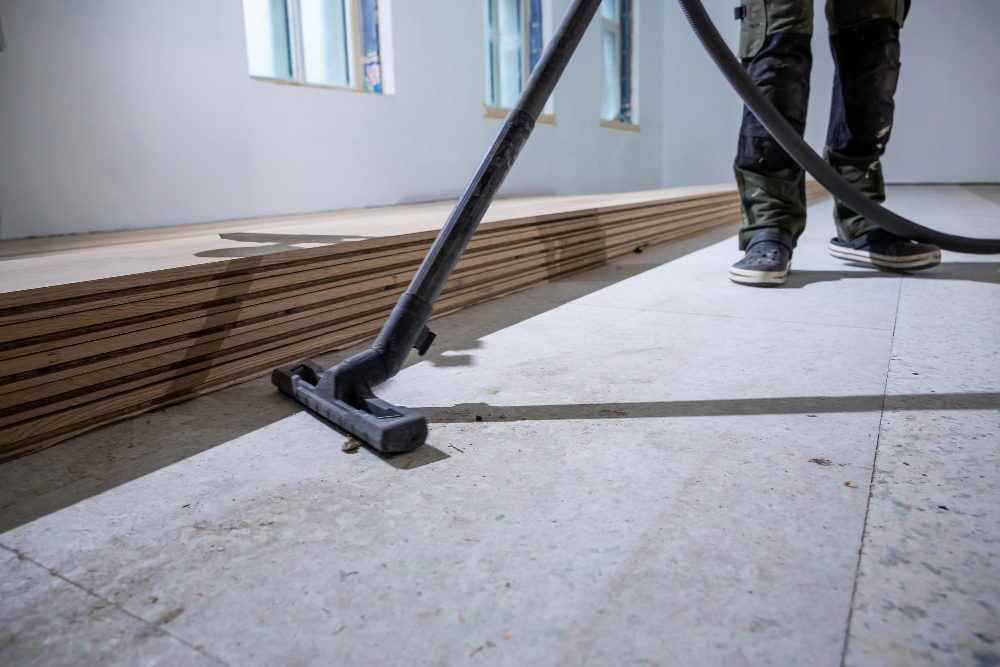
Not every cleaning company handles post-construction work. It requires specific equipment and techniques that general residential cleaners don’t routinely use. When evaluating options, ask these questions:
Do they use HEPA-filtered vacuums? This matters for drywall dust specifically. Regular vacuum filters aren’t fine enough and redistribute fine particulate back into the air.
Do they have experience with your specific materials? Polished concrete, marble, new hardwood, and luxury vinyl plank all have specific cleaning requirements that differ from standard floors. Make sure the company has handled your material type before.
Do they carry liability insurance appropriate for construction cleanup? Post-construction environments carry different risks than standard residential cleaning. Confirm coverage.
Can they provide references from post-construction or renovation cleanup projects? General cleaning references don’t tell you much about construction cleanup capability.
What is their process for HVAC vents and returns? This is a detail that separates thorough post-construction cleaners from those who treat it like a standard deep clean.
SHINENOS serves the Twin Cities metro, including Eden Prairie, Edina, Minneapolis, Minnetonka, Plymouth, Maple Grove, Wayzata, and Excelsior. If you’re finishing a renovation or new build and want to discuss your specific project, reach out through our main site.
DIY Post-Construction Cleaning: An Honest Assessment
You can handle some aspects of post-construction cleanup yourself if the project was small. A bathroom tile replacement or a single-room paint job creates a much more manageable cleanup than a whole-house renovation.
For larger projects, the honest assessment is that the right equipment and enough time are things most homeowners don’t have. A HEPA vacuum appropriate for fine drywall dust is a commercial tool, not something sitting in most garages. The process of wiping every surface from ceiling to floor in a systematic order that prevents re-contaminating cleaned areas takes experience to do efficiently.
The risk of an incomplete post-construction clean is not just an aesthetically imperfect result. Drywall dust left in an HVAC system recirculates through the home for months. Fine particulate left on new flooring gets ground in and can dull the finish. Getting the initial clean right protects the investment you’ve made in the renovation.
For a project of meaningful size, professional post-construction cleaning is worth it.
After the Post-Construction Clean: Maintaining Your New Space
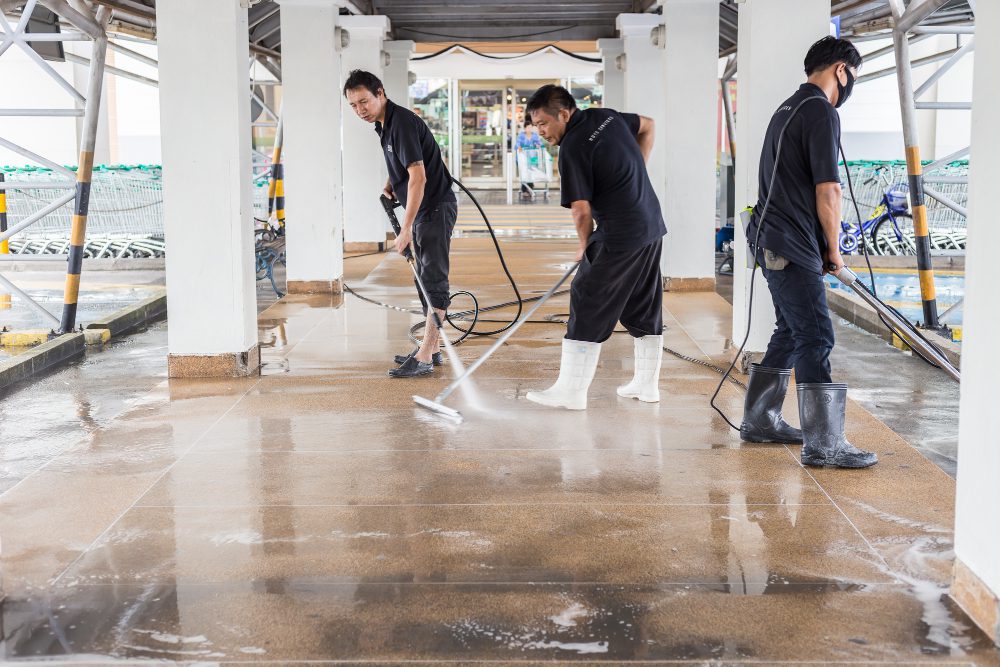
Once your home is cleaned after construction, transitioning to a regular maintenance cleaning keeps it in good condition. The first few weeks after a renovation are when many homeowners find that residual dust continues to appear on surfaces as it settles out of HVAC systems and other areas.
A follow-up cleaning two to four weeks after the main post-construction clean catches this secondary dust layer. After that, a standard recurring cleaning schedule maintains the home.
Our deep cleaning service is also a good option for the follow-up phase, since it covers the same thoroughness as the initial post-construction clean but addresses a home that’s already been brought to baseline.
Frequently Asked Questions
How much does post-construction cleaning cost in Minnesota?
Post-construction cleaning typically costs more than a standard deep clean due to the equipment required and time involved. For a 2,000-square-foot home, expect to pay in the range of $300 to $600 for a thorough post-construction clean. Larger homes or heavily contaminated spaces cost more. Contact us for a quote specific to your project.
Should I clean before or after the final walkthrough with my contractor?
After. The contractor’s final walkthrough often involves additional small tasks: touching up paint, adjusting hardware, completing punch-list items. Each of these creates new debris. Schedule your post-construction cleaning after the contractor confirms all work is complete.
Will my builder or contractor provide cleaning?
Some builders include a basic cleaning in their contracts. This is usually a broom clean, not a professional post-construction clean. It removes large debris but doesn’t address drywall dust on surfaces, inside cabinets, or in HVAC vents. Most new homeowners still benefit from a professional clean even when the builder has “cleaned” the property.
Is post-construction cleaning necessary for a small renovation?
For very small projects like a single-room paint job, it may not be necessary. For anything involving drywall work, tile installation, flooring replacement, or work that spans multiple rooms, professional cleanup is worth it.
How do I protect new floors during construction?
Talk to your contractor about floor protection during the project. Corrugated cardboard, ram board, or specialty floor protection paper should cover finished floors while other trades are working. This significantly reduces the cleanup required afterward.
How soon can I move in after post-construction cleaning?
Typically the day after cleaning is complete. Let the floors fully dry (especially if wet mopping was done) and allow any remaining cleaning product smell to dissipate with ventilation for a few hours before bringing in furniture and personal items.
Ready to Move Into Your Newly Renovated Space?
Post-construction cleaning done right makes the difference between a finished renovation and a home you can actually live in. Our team understands what construction projects leave behind and knows how to get your home truly clean before you move in.
Contact SHINENOS to discuss your project and get a quote for your post-construction clean.