Few things are more annoying than gnats. They appear seemingly out of nowhere, circle your face while you’re trying to cook dinner, hover over your houseplants, and pop up in your bathroom drain like an uninvited permanent houseguest.
Here’s the thing about gnats: where there are gnats, there’s almost always an underlying problem. They don’t just appear. They’re attracted to specific conditions, and once you understand what those conditions are and where they exist in your home, eliminating the source is much more effective than just swatting them.
This guide goes room by room through the most common gnat sources in a home, what’s causing them in each space, and how to get rid of them without turning your house into a chemistry experiment.
First: What Kind of Gnats Are You Dealing With?
Not all small flying insects are the same, and misidentifying them leads to the wrong solution.
Fungus gnats are the tiny black flies that hover around houseplants. They lay eggs in moist soil, and the larvae feed on fungi and organic matter in the soil. If you see small flies near your plants specifically, you’re dealing with fungus gnats.
Fruit flies are slightly larger and tan or brown in color. They’re attracted to fermenting organic material: overripe fruit, vegetable scraps, recycling containers, spilled wine or juice, and similar sources. If they’re in your kitchen near food, you’re dealing with fruit flies.
Drain flies are small, fuzzy, moth-like insects that emerge from drains. They breed in the organic slime that builds up inside drain pipes. If you see small flies appearing from or hovering near drains, these are drain flies.
Phorid flies look similar to fruit flies but run sideways rather than flying when disturbed. They’re associated with decaying organic matter, often in harder-to-find places like a dead animal in a wall or a plumbing leak under the floor.
Getting the identification right changes the solution. Let’s go room by room.
Kitchen: the Highest-Risk Area in Most Homes
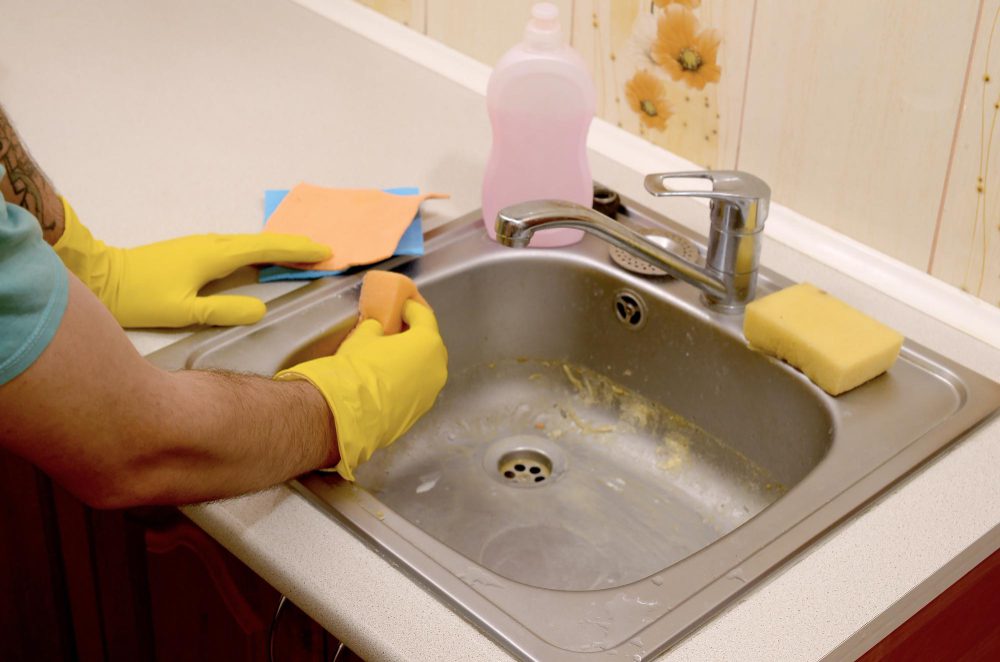
Kitchens are where most gnat problems start, because they have so many potential food sources.
Overripe Fruit
The most obvious source. Fruit flies can detect fermentation from a significant distance and find their way inside through tiny gaps around windows and doors. Bananas, peaches, and tomatoes left on the counter are frequent attractants.
Fix it: move ripe fruit into the refrigerator. Get rid of anything that’s overripe or starting to ferment. Once the food source is gone, fruit flies don’t have a reason to stay.
The Trash and Recycling
Food residue in trash cans and recycling containers ferments and attracts flies. Rinsing bottles and cans before recycling makes a meaningful difference. A trash can with a tight-fitting lid slows the problem.
Fix it: empty kitchen trash more frequently. Rinse recyclables. Clean the inside of the trash can with soap and water periodically, since residue builds up on the sides and bottom.
The Kitchen Drain
Drains that have organic buildup inside are breeding grounds for drain flies and can attract fruit flies as well. The slime inside a kitchen drain, made up of food particles, grease, and soap residue, is an ideal environment for fly larvae.
Fix it: pour a pot of boiling water down the drain. Follow it with a mixture of baking soda and white vinegar, let it fizz for 10 to 15 minutes, then flush with more hot water. For persistent drain flies, a commercial drain cleaner or a drain cleaning brush that mechanically removes the biofilm works better than chemical treatments.
Under the Sink
A slow leak or moisture under the kitchen sink creates the kind of damp, organic environment that gnats and flies are drawn to. It’s worth checking for any drips or moisture buildup.
Sponges and Dish Cloths
Sponges and kitchen cloths left damp are breeding grounds for bacteria, which in turn attracts flies. Rinse them thoroughly and let them dry completely between uses, or replace them frequently.
Bathroom: Drain Flies and Moisture
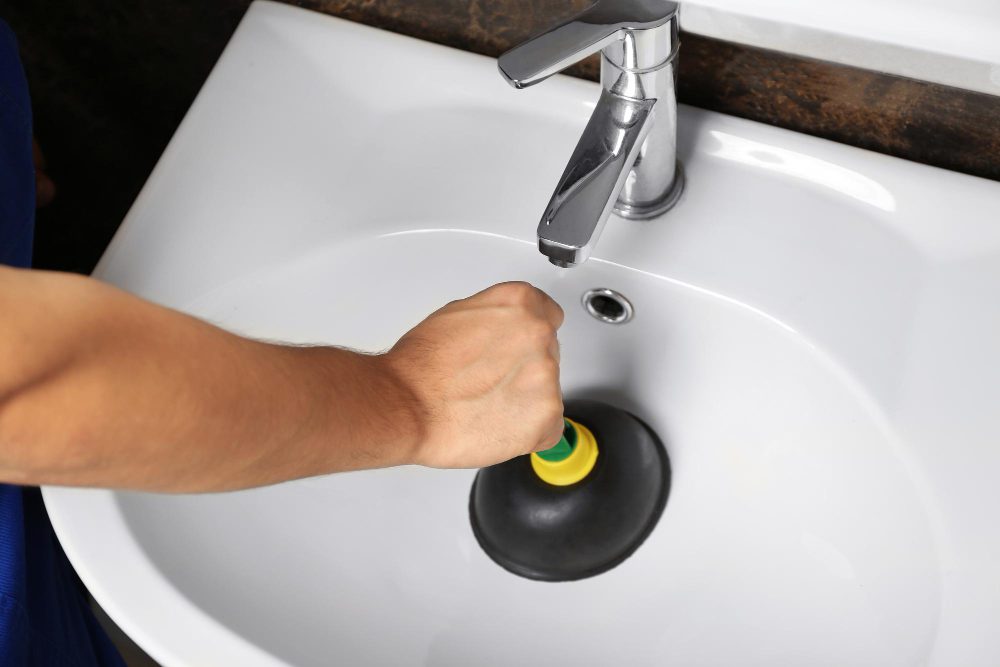
Bathroom gnats are almost always drain flies. The dark, moist, organic-rich environment inside bathroom drain pipes is where they breed.
The Sink Drain
If you see small, fuzzy flies that seem to emerge from or hover near your bathroom sink, this is the source. The organic biofilm inside the drainpipe feeds their larvae.
Fix it: the same approach as the kitchen drain. Hot water flush followed by baking soda and vinegar, then another hot water flush. Use a drain snake or pipe brush to physically remove the buildup if hot water and vinegar don’t solve it. Do this weekly for two to three weeks to break the breeding cycle.
The Shower Drain
Same issue, often worse because showers have more organic material going down the drain: hair, soap, shampoo, skin cells. A drain cover catches hair before it enters the pipe, which slows the buildup significantly.
The Floor Beneath the Toilet
A wax ring seal that’s failing lets sewer gas and sometimes moisture escape around the base of the toilet. This can attract flies to a small area of moisture and organic material. If you notice gnats specifically near the toilet base, a plumber should check the seal.
Standing Water
Any standing water in a bathroom, whether in a seldom-used sink, a bucket left on the floor, or a container that holds a mop, can become a breeding site. Remove standing water and let areas fully dry.
Indoor Plants: Fungus Gnats
If the gnats are hovering around your houseplants, you’re looking at fungus gnats.
The larvae live in the top inch or two of potting soil and feed on fungal matter and occasionally plant roots. They thrive when soil stays consistently moist.
Overwatering Is Almost Always the Root Cause
Fungus gnats need damp soil to breed. Overwatered plants create the perfect conditions, especially if the plant is in a pot without adequate drainage.
Fix it: let the top inch or two of soil dry completely between waterings. This alone eliminates most fungus gnat problems because the eggs and larvae can’t survive in dry soil.
For a faster solution, apply a layer of coarse sand or small pebbles to the top of the soil. This creates a barrier that adult gnats can’t penetrate to lay eggs, while allowing you to water normally.
Yellow Sticky Traps
These are inexpensive, non-toxic, and effective for capturing adult fungus gnats. Place them near the soil surface of affected plants. They don’t eliminate the breeding cycle but significantly reduce the adult population while you address the moisture issue.
Hydrogen Peroxide Soil Drench
A solution of one part three percent hydrogen peroxide to four parts water, used as a soil drench, kills larvae and eggs without harming plants. Apply when the soil is slightly dry, let it fizz (which is what’s killing the larvae), and then allow it to dry before watering again.
Living Rooms and Bedrooms: Less Common, but It Happens
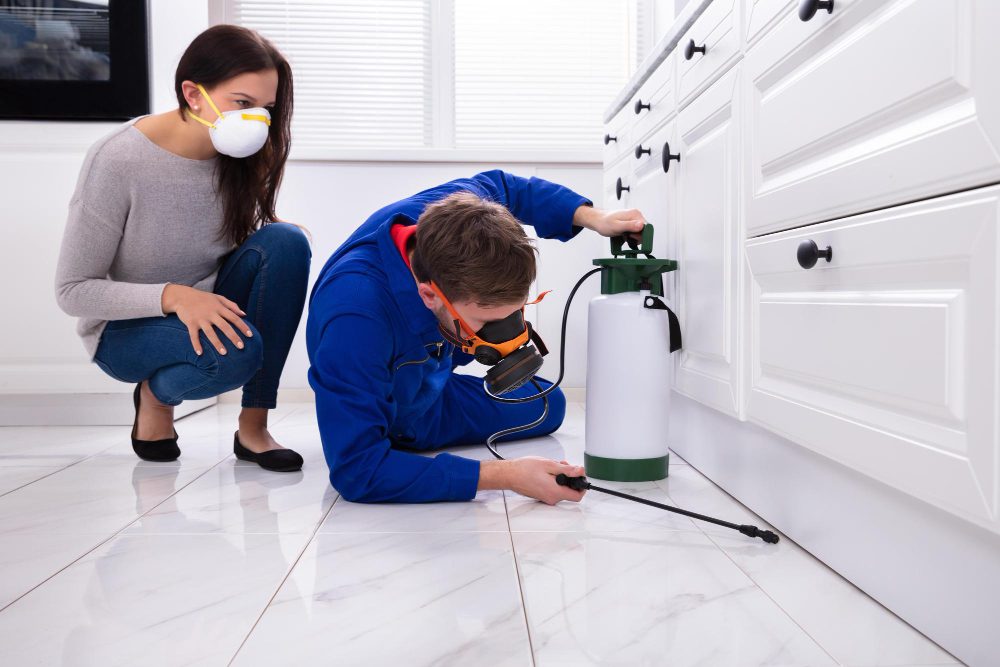
Gnats in living areas typically trace back to a nearby source.
Houseplants in these rooms can carry fungus gnats as described above. Forgotten fruit (a banana left in a fruit bowl, a glass of juice left out) can attract flies. An overlooked spill behind furniture, especially anything sugary, can become a source over time.
Check for forgotten food sources, check any plants, and confirm there’s no moisture issue from a window leak or a nearby bathroom.
The Garage and Utility Areas
Garage gnats usually trace to garbage cans, recycling, pet food stored in open bags, compost bins, or any moisture source. Garden tools covered in soil can also introduce fungus gnats.
Store pet food in sealed containers. Keep outdoor garbage cans clean and use bins with tight lids. If you have a compost bin in the garage, move it outside or ensure it’s properly sealed.
Cleaning Plays a Bigger Role Than Most People Realize
Most gnat problems are fundamentally cleanliness and moisture problems. Drains that haven’t been cleaned in months, trash cans with sticky residue, damp areas under sinks, and consistently overwatered plants all create the conditions gnats need to establish themselves.
A thorough deep clean of a kitchen that targets drains, under appliances, the inside of the trash cabinet, and all food prep surfaces removes most of the underlying conditions.
Our deep cleaning service covers kitchens in detail, including drains, under-sink areas, and the areas around and behind appliances where food debris accumulates. Our recurring cleaning keeps these conditions from building back up between visits.
We serve homeowners in Eden Prairie, Minneapolis, Edina, Minnetonka, Plymouth, Maple Grove, Wayzata, and Excelsior.
Trapping and Eliminating Adults While You Fix the Source
Trapping adult gnats doesn’t solve the problem if the breeding source is still active, but it speeds things up.
Apple cider vinegar trap: Pour a small amount of apple cider vinegar into a glass, add a drop of dish soap, and cover with plastic wrap secured with a rubber band. Poke several small holes in the plastic. The vinegar attracts fruit flies; the dish soap breaks the surface tension so they can’t escape. Replace every few days.
Red wine trap: The same principle works with a nearly empty bottle of red wine left out. The narrow neck traps flies that enter.
Yellow sticky traps: Effective for fungus gnats and work to reduce any flying insect population. Place near plants or on the counter near problem areas.
Commercial traps: Products like Katchy use a UV light and a sticky board. They work well for ongoing management in kitchens and near plants.
None of these replace addressing the source. They’re tools to manage adults while you eliminate what’s producing them.
When Gnats Won’t Go Away Despite Your Efforts
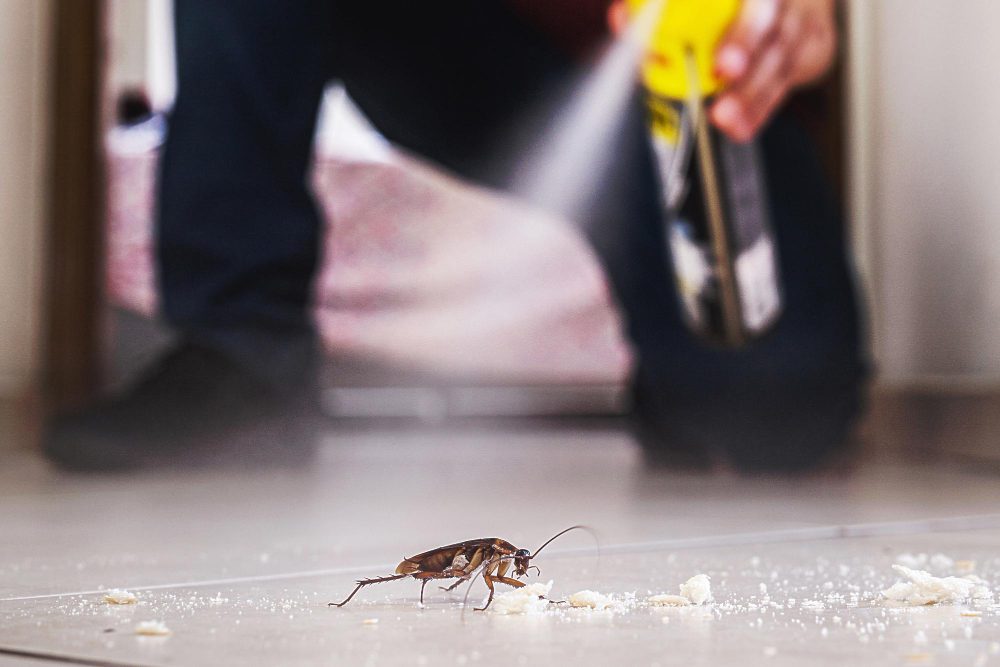
If you’ve addressed all the obvious sources and still have a persistent gnat problem, consider the less obvious ones:
A slow plumbing leak inside a wall or under flooring creates a breeding environment that’s impossible to see. Signs include a musty smell or unexplained moisture near walls or baseboards.
A dead animal (rodent, bird) inside a wall cavity can attract certain types of flies. If you notice a concentrated cluster of flies near a specific wall section and a foul odor, this may be the issue.
Neighboring units in an apartment building. Gnats don’t respect unit boundaries, and a serious gnat problem in a neighboring apartment can send flies through shared walls, plumbing connections, and vents.
For persistent problems that don’t respond to home treatment, a licensed pest control company can assess and address sources that aren’t accessible to DIY methods. The University of Minnesota Extension has research-based resources on household insect management specific to Minnesota conditions.
Frequently Asked Questions
How long does it take to get rid of gnats?
If you’ve correctly identified and removed the source, fruit flies and drain flies typically disappear within one to two weeks. Fungus gnats in plants can take two to three weeks of consistent treatment because the breeding cycle in soil takes time to interrupt.
Why do I have gnats in my house in winter?
In Minnesota, overwintering gnats are typically coming from inside sources: houseplants, drains, or stored produce. They don’t need outdoor conditions to breed indoors. Winter is actually when many houseplant gnat problems worsen because people water plants more inconsistently.
Are gnats harmful?
Most household gnats are a nuisance rather than a health threat. Drain flies and fruit flies don’t bite. Fungus gnat larvae can damage plant roots if the infestation is heavy. The main concern is that they indicate an underlying issue (moisture, organic buildup, overwatering) that’s worth addressing.
What smell keeps gnats away?
Gnats are repelled by certain scents including peppermint, lemon, lavender, and eucalyptus. Essential oil diffusers with these oils can reduce gnat activity in an area. They won’t eliminate an active infestation, but they help discourage gnats from areas you want to keep clear.
Do gnats come from drains?
Drain flies breed inside drain pipes and emerge from drains. Fruit flies are attracted to drains because of the organic buildup inside but breed in food sources elsewhere, not inside the pipes. The distinction matters for treatment.
Can gnats come from houseplant soil I bought from the store?
Yes. Potting soil can contain fungus gnat eggs. This is how many houseplant gnat problems start, even in very clean homes. Treating the soil when you bring new plants home, or using pasteurized potting mix, reduces this risk.
A Clean Home Is the Best Gnat Prevention
The most effective thing you can do against gnats is eliminate the conditions they need to thrive. Clean drains, dry under-sink areas, properly watered plants, secured garbage, and refrigerated ripe produce all remove potential breeding sites before gnats can establish themselves.
If your kitchen or home needs a thorough clean to reset these conditions, SHINENOS can help. Our deep cleaning service addresses the kitchen areas, drains, and spaces where gnat sources commonly develop. A clean home is a gnat-free home.