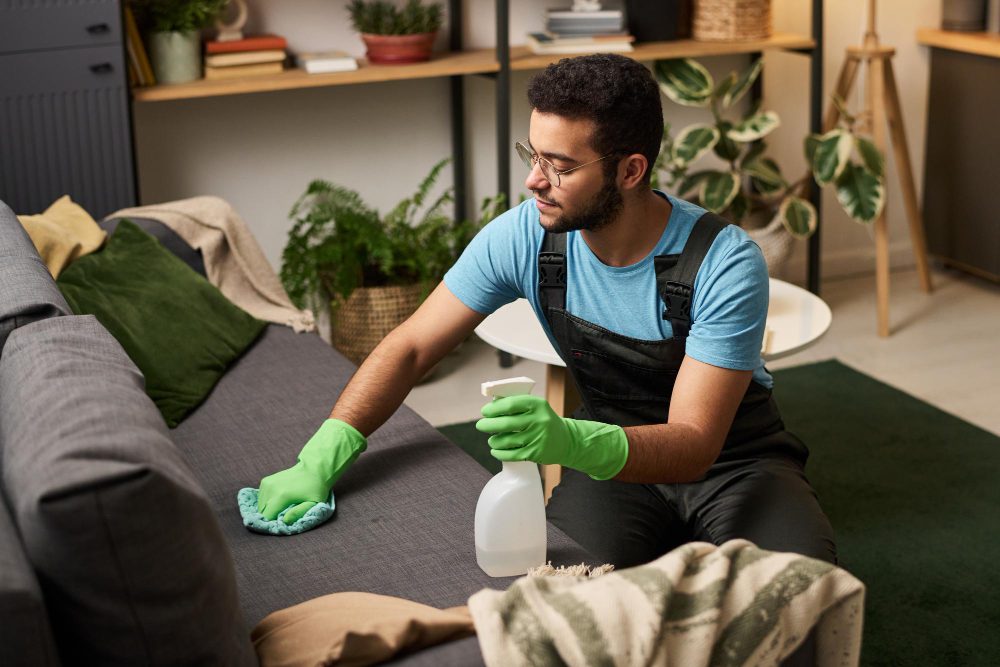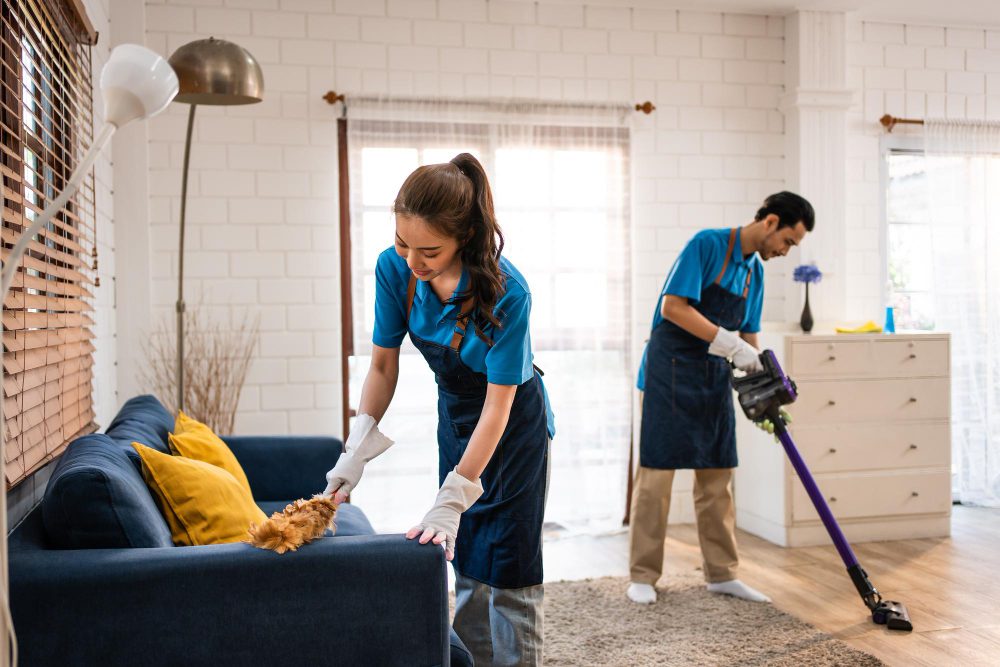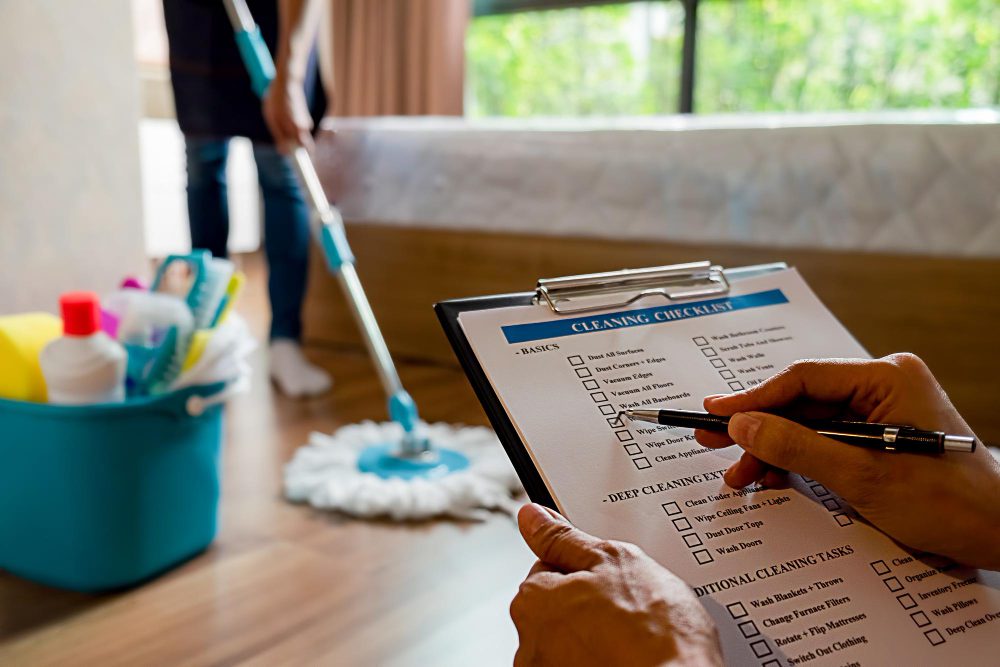
A clean workplace is easier to manage when cleaning tasks are organized by area instead of handled randomly. An office cleaning checklist gives employees, facility managers, and cleaning teams a clear standard for what should be addressed during each visit. A broader commercial cleaning checklist can then organize those tasks across the entire facility.
The right checklist also depends on the type of facility. An office, retail store, medical suite, and multi-tenant building can have very different traffic patterns and cleaning priorities. High-touch surfaces, restrooms, floors, kitchens, entrances, and shared spaces usually need more consistent attention than low-use areas.
This guide breaks commercial cleaning into practical zones and frequencies so you can build a routine that fits your workplace rather than relying on a generic list.
What Should a Commercial Cleaning Checklist Include?
A useful commercial cleaning checklist should cover the areas employees, customers, visitors, and vendors interact with most often. It should also distinguish routine maintenance from tasks that need to happen weekly, monthly, seasonally, or as needed.
- Office and workstation areas
- Reception and lobby spaces
- Conference rooms
- Restrooms
- Breakrooms and kitchens
- Floors and floor edges
- High-touch surfaces
- Trash and recycling
- Interior windows and glass
- Entryways and common areas
Daily or Every-Visit Office Cleaning Checklist
Daily cleaning is useful for workplaces with steady foot traffic, shared spaces, customer visits, or facilities where presentation matters throughout the workweek. An office cleaning schedule should give priority to areas that employees and visitors use most often.
- Empty wastebaskets and replace liners where needed.
- Vacuum or sweep high-traffic floor areas.
- Mop hard floors in entrances, restrooms, kitchens, and other areas requiring frequent attention.
- Wipe and disinfect frequently touched surfaces.
- Clean restroom toilets, sinks, faucets, and counters.
- Restock restroom supplies when included in the service.
- Clean kitchen and breakroom counters and sinks.
- Wipe tables and commonly used shared surfaces.
- Clean visible marks from doors and entry areas.
- Check lobby and reception areas for debris and fingerprints.
Office and Workstation Cleaning Checklist
Workstations collect dust and are touched throughout the day. Cleaning should focus on shared and accessible surfaces while respecting personal belongings and confidential materials.
- Dust accessible desks and work surfaces.
- Wipe shared tables and communal workstations.
- Clean frequently touched handles and switches.
- Dust shelves and accessible ledges.
- Vacuum carpets and rugs.
- Sweep and mop hard flooring.
- Clean visible marks on doors and partitions.
- Empty bins where included.
- Clean shared equipment surfaces according to workplace and manufacturer guidance.
Cleaning teams should avoid moving confidential paperwork, personal devices, or sensitive materials unless the workplace has an agreed procedure for doing so.
Lobby and Reception Area Checklist
- Vacuum or sweep entrance flooring.
- Mop hard floors using an appropriate product.
- Clean reception desks and accessible surfaces.
- Wipe door handles and other high-touch points.
- Clean interior glass and mirrors where included.
- Remove visible fingerprints from doors and glass.
- Dust furniture, ledges, and decorative surfaces.
- Empty waste and recycling bins.
- Check corners and floor edges for debris.
Restroom Cleaning Checklist
- Clean and disinfect toilets and urinals.
- Clean sinks, faucets, counters, and surrounding surfaces.
- Clean mirrors and interior glass.
- Mop restroom floors.
- Disinfect high-touch handles and fixtures.
- Empty sanitary and general waste bins.
- Restock toilet paper, paper towels, soap, and other agreed supplies.
- Check partitions, doors, and frequently touched surfaces.
- Address visible buildup around fixtures and floor edges.
Breakroom and Kitchen Checklist
- Clean and disinfect countertops.
- Clean sinks and faucets.
- Wipe tables and shared surfaces.
- Clean appliance exteriors.
- Clean visible spills and food residue.
- Sweep and mop floors.
- Empty trash and recycling.
- Wipe cabinet handles and other high-touch areas.
- Clean the exterior of refrigerators, microwaves, and other shared appliances.
- Clean the microwave interior when included in the scope.
Floor Cleaning Checklist
Floor care should match the material and traffic level. A high-traffic lobby may require attention much more frequently than a lightly used private office.
- Vacuum carpeted areas thoroughly.
- Sweep hard floors.
- Mop hard floors with an appropriate cleaning method.
- Clean visible spills promptly.
- Pay extra attention to entryways and high-traffic paths.
- Clean floor edges and corners.
- Use the appropriate maintenance method for specialty flooring.
- Schedule deeper floor maintenance when routine cleaning no longer restores the desired appearance.
High-Touch Surface Checklist
- Door handles and push plates
- Light switches
- Elevator buttons where included
- Shared tables
- Reception surfaces
- Breakroom handles
- Restroom fixtures
- Common-area touchpoints
- Frequently used cabinet and drawer handles
Conference Room Cleaning Checklist
- Wipe conference tables.
- Clean shared touch surfaces.
- Dust accessible shelves and ledges.
- Vacuum or sweep floors.
- Empty wastebaskets.
- Clean interior glass or whiteboard surfaces where included.
- Reset chairs and shared furniture according to workplace preference.
Weekly and Periodic Commercial Cleaning Tasks
Not every commercial cleaning task needs to happen every day. Lower-frequency work can be scheduled according to building use, floor type, season, and facility requirements. A janitorial cleaning checklist can help separate routine maintenance from periodic detail work.
- Detailed dusting of less frequently used surfaces
- More thorough baseboard and floor-edge cleaning
- Interior window and glass cleaning
- Detailed floor maintenance
- Cleaning under accessible furniture
- More detailed breakroom appliance cleaning
- Cleaning areas behind or beside accessible equipment
- Additional restroom detail work
- High-level dusting where safe and accessible
Cleaning Frequency by Business Type
Busy offices
Daily or several-times-per-week cleaning may be appropriate when many employees share kitchens, restrooms, entrances, and common spaces.
Retail spaces
Entrances, customer-facing areas, floors, checkout areas, and restrooms may need frequent attention because of continuous public traffic.
Medical suites
Cleaning plans should account for the facility’s specific sanitation requirements, regulated procedures, and any tasks that require specialized protocols.
Small professional offices
Weekly or biweekly cleaning may be sufficient when traffic is moderate and employees maintain basic order between visits.
Multi-tenant facilities
Common areas, restrooms, entrances, and high-touch surfaces often need a defined schedule separate from individual tenant spaces.
How to Build a Commercial Cleaning Schedule
A clear office cleaning schedule also makes it easier to assign daily, weekly, and periodic tasks.
Start with traffic
Identify where employees, customers, and visitors spend the most time.
Separate routine from periodic work
Keep daily cleaning focused on high-use areas and rotate less frequent detail tasks.
Set clear standards
Define what ‘clean’ means for restrooms, floors, desks, breakrooms, and public areas.
Match cleaning to business hours
After-hours or weekend cleaning can reduce disruption for businesses that operate during the day.
Review the checklist
Adjust frequency when occupancy, business hours, floor usage, or facility needs change.
Commercial Office Cleaning: What to Prioritize
Commercial office cleaning should be built around the way a workplace is actually used. Reception areas, shared workstations, conference rooms, kitchens, restrooms, and entrances usually need a clearer routine than private or rarely occupied spaces. A practical commercial office cleaning plan can combine daily high-touch cleaning with weekly dusting and floor detail, then schedule lower-frequency tasks separately.
For facility managers comparing commercial cleaning services in Minnesota, the most useful comparison is the scope of work, cleaning frequency, areas covered, and scheduling requirements, rather than the service name alone.
What Professional Commercial Cleaning Can Cover
SHINENOS provides commercial cleaning for offices, retail spaces, medical suites, and other commercial facilities across Minnesota. Its published service includes lobby and reception cleaning, restroom sanitation, vacuuming and mopping, sweeping and dusting, trash removal, surface disinfecting, kitchen and breakroom cleaning, interior window wiping, and floor care.
Businesses that need a customized plan can review SHINENOS commercial cleaning services in Minnesota and build the checklist around facility size, industry, foot traffic, and scheduling requirements.
Daily, Weekly, and Monthly Checklist at a Glance
Every visit: Restrooms, high-touch surfaces, floors, trash, breakrooms, entrances, and high-use areas.
Weekly: Detailed dusting, floor edges, less-used spaces, interior glass, and rotating detail tasks.
Monthly: Deeper floor maintenance, selected fixtures, hard-to-reach accessible areas, and other low-frequency tasks.
Seasonally: Detailed floor care, selected interior windows, high-level accessible dusting, and facility-specific reset tasks.
As needed: Post-event cleaning, spills, inspections, unusual buildup, or areas requiring targeted attention.
Commercial Cleaning Add-Ons and Targeted Work
Some businesses need focused cleaning rather than a full recurring facility clean. Hourly commercial cleaning can be useful for post-event cleanup, pre-inspection cleaning, or selected areas that need additional attention.
Targeted work may include extra restroom cleaning, additional floor attention, surface disinfecting, or focused cleaning in a particular part of the facility. Defining the priority areas before the visit helps the cleaning team use the available time efficiently.
Commercial Cleaning Checklist for Managers
- Confirm which areas are included in the service.
- Identify high-traffic and high-touch areas.
- List any surfaces requiring special care.
- Confirm restroom and breakroom expectations.
- Define trash and recycling responsibilities.
- Set cleaning frequency for each area.
- Identify after-hours or weekend access requirements.
- Communicate security, access, or privacy procedures.
- Review the checklist periodically as business needs change.
Frequently Asked Questions
What should be on a commercial cleaning checklist?
A commercial checklist should cover offices, reception areas, restrooms, breakrooms, floors, high-touch surfaces, trash, entrances, and other common areas relevant to the facility.
How often should an office be professionally cleaned?
The appropriate frequency depends on foot traffic, number of employees, shared facilities, operating hours, and the type of business. Daily, weekly, biweekly, and monthly schedules can all be appropriate in different settings.
What is included in office cleaning?
Common office cleaning tasks include vacuuming, mopping, dusting, restroom sanitation, breakroom cleaning, trash removal, surface disinfecting, and interior window wiping.
Can commercial cleaning be scheduled after business hours?
Yes. SHINENOS offers after-hours and weekend scheduling for commercial cleaning where appropriate.
Can a commercial cleaning plan be customized?
Yes. A commercial cleaning plan can be built around facility size, industry type, foot traffic, specific cleaning requirements, and the preferred schedule.
Does commercial cleaning include restrooms?
Yes. Restroom cleaning and sanitation are core parts of the published SHINENOS commercial cleaning checklist.
Can I request targeted commercial cleaning?
Yes. Hourly commercial cleaning can focus on selected areas or tasks when a business needs additional or irregular cleaning.
Final Thoughts
A commercial cleaning checklist turns cleaning from an informal task into a repeatable workplace standard. Start with the areas that affect employees and visitors most, establish a realistic frequency, and rotate detailed work so important tasks do not disappear from the schedule.
For businesses that want a professional team to manage the routine, a customized commercial cleaning plan can take the checklist off the facility manager’s plate while keeping expectations clear.
Book your SHINENOS cleaning service to request service for your home or business.