Finding mold in your home is unsettling. Whether it’s a few dark spots along the bathroom grout or a larger patch behind the washing machine, the instinct is usually the same: get rid of it fast.
The good news is that most household mold, particularly the surface mold that appears in bathrooms, around windows, or on damp walls, can be cleaned safely by a homeowner with the right approach. The less good news is that there are situations where DIY cleaning isn’t enough, and pushing through them without help can make things significantly worse.
This guide covers how to safely clean mold you can handle yourself, what products actually work (and which ones don’t), and how to tell when the problem requires professional attention.
Understanding What Mold Actually Is
Mold is a type of fungus. It grows anywhere there’s moisture, organic material to feed on, and relatively little air movement. Bathrooms, basements, window frames, under sinks, and areas near appliances that use water are all common locations.
Mold spreads by releasing spores into the air. When you disturb a mold colony without taking precautions, you can spread those spores to other parts of your home and inhale them in the process. That’s the main reason technique matters when you’re cleaning it.
The most common household mold types include Cladosporium, Penicillium, and Aspergillus. These are the kinds of surface molds you typically find in bathrooms or on window seals. Black mold, scientifically called Stachybotrys chartarum, is a separate category that requires professional assessment and remediation. It’s less common than the coverage it gets in the media, but it is a real concern in certain conditions.
Is the Mold Safe to Clean Yourself?
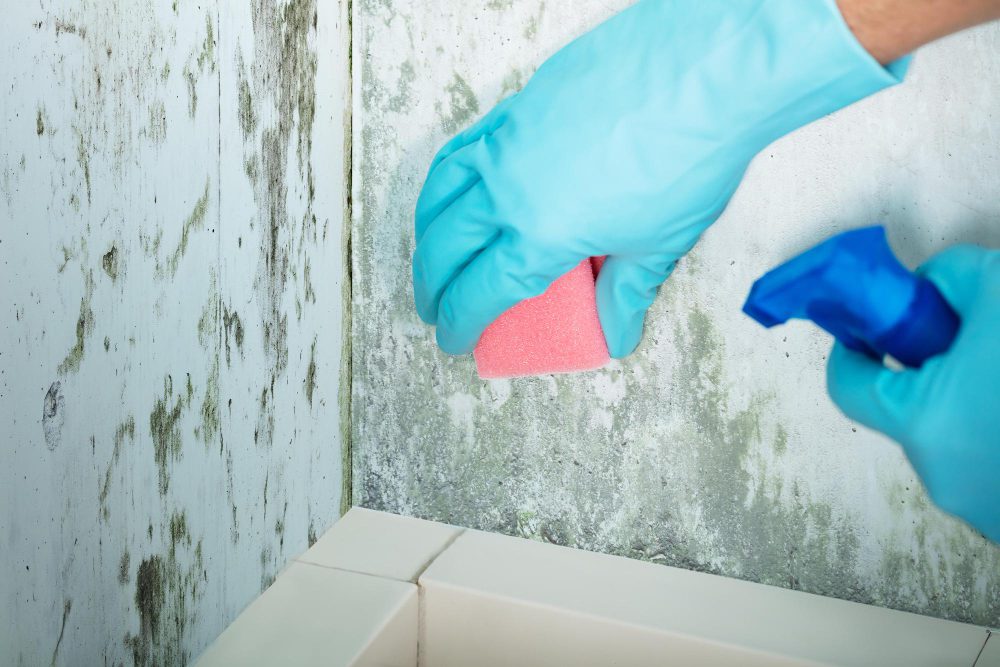
Before you reach for cleaning supplies, assess the situation.
You can likely handle it yourself if the affected area is smaller than 10 square feet (roughly a 3×3 foot patch), the mold is on a non-porous surface like tile, glass, or a sealed countertop, you know why the moisture was there and have fixed the source, and you don’t have respiratory conditions like asthma or mold sensitivity.
You should call a professional if the affected area is larger than 10 square feet, the mold is on porous materials like drywall, ceiling tiles, carpet, or wood framing, you’ve cleaned it before and it came back quickly, the mold is accompanied by a strong musty odor throughout the room, you suspect it’s inside walls or under flooring, or anyone in the household has respiratory issues or a weakened immune system.
The 10-square-foot guideline comes directly from the U.S. Environmental Protection Agency’s mold cleanup guide, which is the most comprehensive publicly available resource on household mold management.
What You Need Before You Start Cleaning
Proper protective gear matters here. Mold spores irritate airways and eyes, and some cleaning solutions are harsh on skin.
Gather the following before you begin:
- N-95 respirator mask (not just a dust mask)
- Safety goggles or glasses
- Rubber or nitrile gloves
- Old clothing you can wash immediately after or disposable coveralls
- Ventilation: open windows and run an exhaust fan if possible
Never clean mold with central HVAC or whole-house fans running, since that circulates spores through your entire duct system.
Effective Cleaning Solutions: What Actually Works
There’s a lot of conflicting information online about what kills mold. Here’s what the research actually supports.
Bleach Solution
For non-porous surfaces like tile, tubs, sinks, and glass, a diluted bleach solution is effective at killing surface mold and removing staining.
Mix one cup of household bleach with one gallon of water. Apply to the affected area, let it sit for 10 to 15 minutes, then scrub with a stiff brush and rinse thoroughly.
Bleach works on non-porous surfaces. On wood, drywall, or grout (which is porous), bleach kills surface mold but doesn’t penetrate deeply enough to reach the roots. The mold often comes back within weeks.
Never mix bleach with ammonia or other cleaners. The combination produces toxic chloramine gas.
Does Vinegar Kill Mold? the Honest Answer.
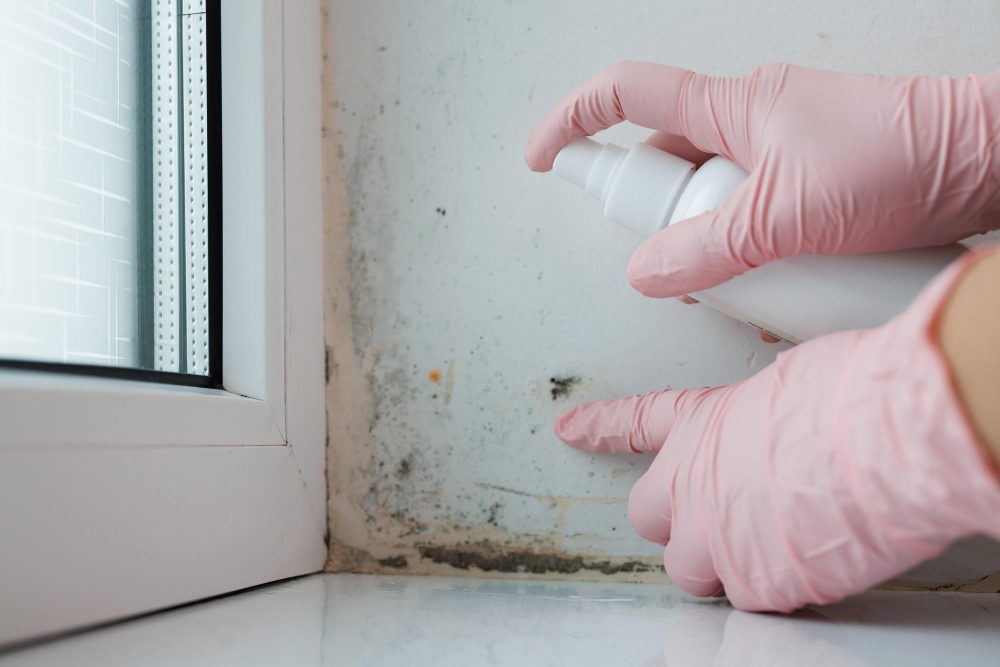
White vinegar is often recommended as a natural mold killer, and it does work to a degree. Undiluted distilled white vinegar can kill approximately 82 percent of mold species, according to research cited by the EPA. It penetrates porous surfaces better than bleach.
Spray undiluted vinegar directly on the mold, let it sit for at least an hour, then scrub and wipe clean. Don’t rinse it off immediately since the residual acidity continues to inhibit mold growth.
Vinegar is a reasonable choice for bathroom grout, around window seals, and other areas where bleach might be harsh or where you want to avoid strong fumes. It’s not as effective on heavy, established mold colonies.
Hydrogen Peroxide
A three percent hydrogen peroxide solution (the kind sold in any pharmacy) can be effective on mold and is safer than bleach for porous surfaces. Spray it directly on the mold, let it sit for 10 minutes, then scrub and wipe.
Commercial Mold Cleaners
Products specifically formulated for mold removal, such as Concrobium Mold Control, work well on both porous and non-porous surfaces and leave behind a protective layer that inhibits regrowth. They’re worth considering for recurring mold problems.
Room-By-Room: Where Mold Commonly Appears and How to Handle It
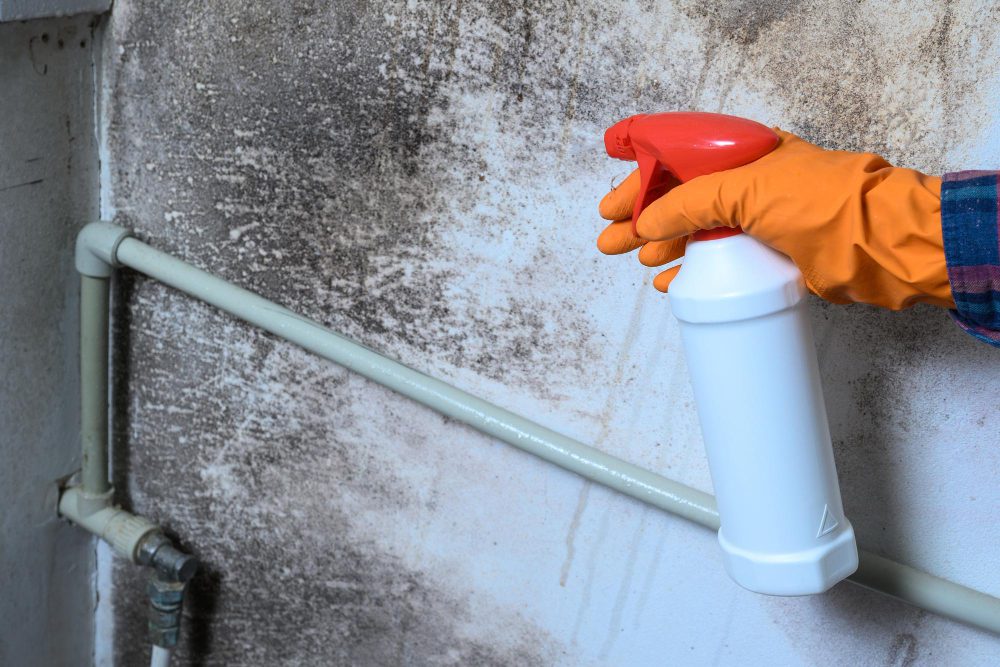
Bathroom Tile and Grout
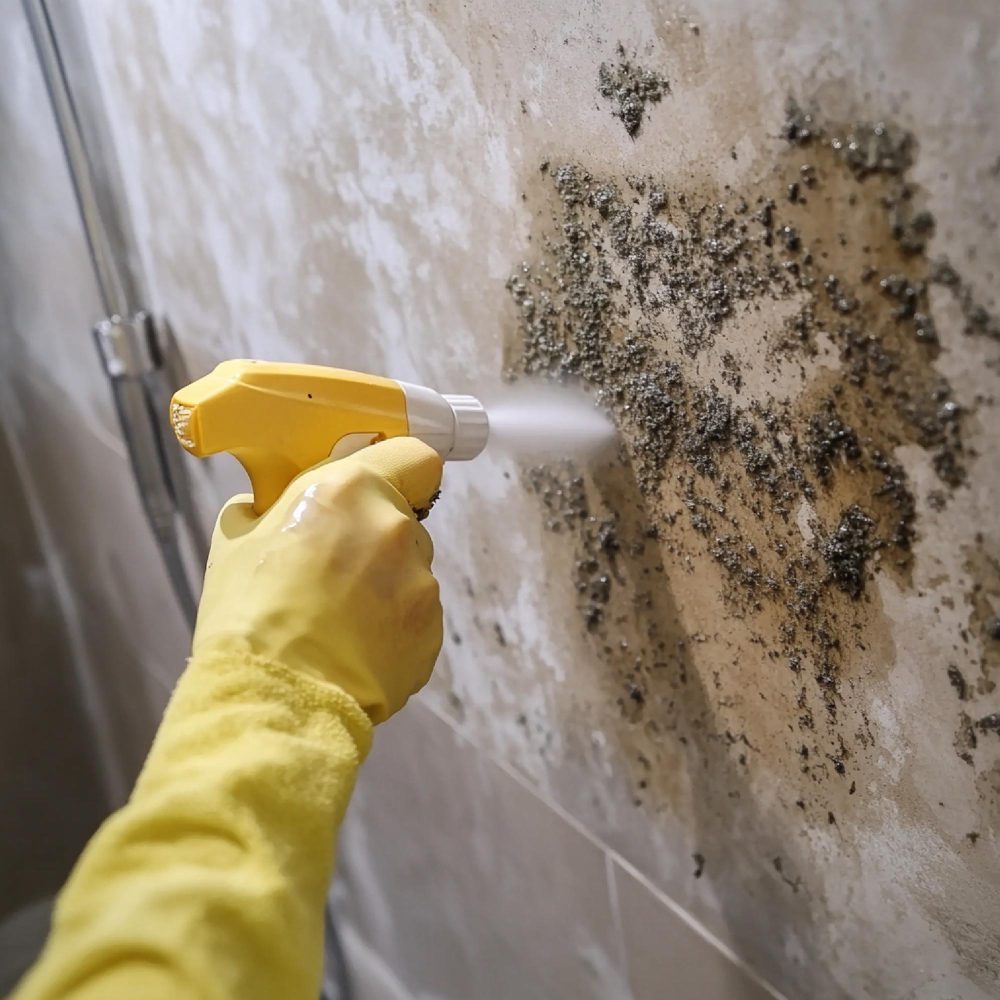
This is the most common household mold location. Black or dark gray spots in grout lines and around the tub or shower edge are almost always mold.
Apply your chosen solution (vinegar for lighter growth, bleach solution for heavier discoloration), work it into the grout with a stiff-bristled brush, and let it dwell for 10 to 15 minutes before scrubbing and rinsing.
Repeat the process if the discoloration doesn’t fully lift on the first attempt. Badly stained grout may need to be resealed after cleaning.
Improving bathroom ventilation is the long-term fix. Run the exhaust fan during and for 20 minutes after showers. If your bathroom has no window or fan, talk to a contractor about adding ventilation.
Caulking Around the Tub or Shower
Mold in caulk is different from mold on tile. Caulk is porous, and once mold has penetrated it, surface cleaning rarely resolves the problem permanently. The right solution is usually removing the old caulk, letting the area dry completely (24 to 48 hours), and applying fresh caulk.
Use mold-resistant caulk, which contains a fungicide. It’s available at any hardware store.
Window Seals and Frames
Condensation on windows during Minnesota winters is common, and the moisture collects at the frame and seal. Wipe down window frames with a vinegar solution and improve ventilation near windows by keeping them unobstructed.
If mold is appearing on the drywall near windows, that’s a sign of a moisture issue that needs investigation beyond surface cleaning.
Under Sinks
Mold under bathroom or kitchen sinks usually means a leak, whether current or past. Fix the leak first. Then clean the affected area, assess whether the cabinet base is porous and affected below the surface, and let everything dry completely before sealing.
If the cabinet base is pressed wood that has gotten wet, it may need replacement rather than just cleaning.
Basement
Basement mold is more complex. Concrete block, drywall, and insulation can all harbor mold in a damp basement. If the affected area is large or if you see mold on framing lumber or insulation, contact a professional. These materials require assessment before cleaning.
After Cleaning: Preventing Mold From Coming Back
Mold doesn’t grow without moisture. Fix the moisture source and you fix the mold problem. Clean the mold without fixing the moisture and it comes back.
Control humidity throughout your home. The EPA recommends keeping indoor humidity below 60 percent, ideally between 30 and 50 percent. A basic hygrometer (under $15) lets you monitor this. In Minnesota winters, this can be challenging with tight, well-insulated homes.
Improve ventilation in bathrooms, laundry rooms, and kitchens. These are where moisture is generated. Exhaust fans should vent to the outside, not into an attic or wall cavity.
Fix leaks promptly. A slow drip under a sink or a small roof leak that gets addressed quickly rarely leads to serious mold growth. Left for weeks or months, they create the conditions where mold takes hold.
When a Cleaning Company vs a Remediation Company Is the Right Call
This distinction matters.
A professional cleaning company like SHINENOS handles surface mold in bathrooms, kitchens, and other areas as part of a deep cleaning service. This covers tile grout, caulk areas, window frames, and similar surfaces where mold hasn’t penetrated structural materials.
A mold remediation company is a different service for a different problem. They assess hidden mold behind walls, under flooring, and in structural materials, contain affected areas to prevent spore spread, and handle proper disposal of contaminated materials. If your situation falls into this category, you need a licensed remediation company, not a cleaning service.
We can help you determine which category your situation falls into when you reach out. Our teams service Eden Prairie, Minneapolis, Edina, Plymouth, Minnetonka, Maple Grove, Excelsior, and Wayzata.
A Word on Black Mold Specifically
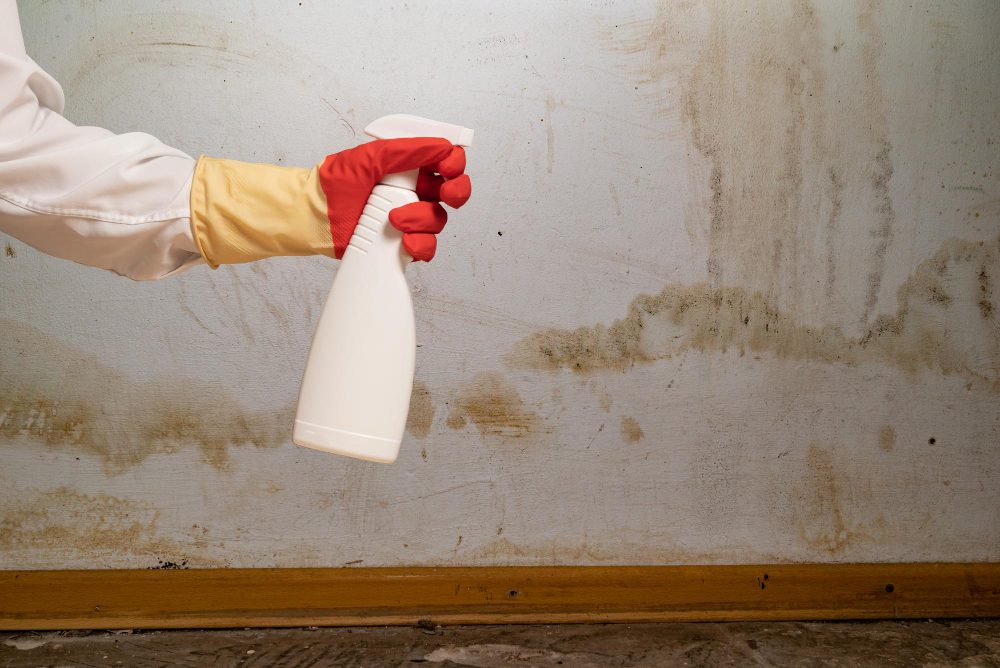
Stachybotrys chartarum (what most people call “black mold”) grows in conditions of sustained, heavy moisture, typically from flooding, long-term roof leaks, or persistent plumbing leaks. It’s dark greenish-black, often has a slimy texture, and produces a strong musty odor.
It does not grow quickly or commonly in typical bathroom conditions. Most of the dark mold you see in grout or on tile is not Stachybotrys.
That said, if you have had significant water intrusion, you suspect hidden mold after a flood or major leak, or if mold keeps returning despite cleaning in an area without an obvious moisture source, professional assessment and testing is worthwhile. The Minnesota Department of Health provides state-specific guidance on mold health concerns and remediation resources.
Frequently Asked Questions
Does vinegar or bleach work better for bathroom mold?
Vinegar penetrates porous surfaces like grout better than bleach. Bleach is more effective on non-porous surfaces like tile and tubs and does a better job removing staining. For grout specifically, vinegar or hydrogen peroxide is often more effective long-term.
How do I know if mold is behind my walls?
Signs include a persistent musty odor without a visible source, soft or discolored drywall, and mold reappearing quickly after surface cleaning. Confirmation requires a professional assessment.
Is bathroom mold dangerous?
Common bathroom surface molds are typically irritating rather than dangerous for healthy adults, but they can worsen respiratory conditions like asthma. Anyone with mold sensitivities, compromised immunity, or respiratory issues should avoid direct exposure during cleaning.
How long does mold take to grow after water exposure?
Mold can begin growing within 24 to 48 hours of water exposure under the right conditions. This is why drying water-damaged materials quickly is so important.
Can I paint over mold?
No. Paint over mold grows right through it. The mold must be cleaned and the surface must be dry before any primer or paint is applied. Use mold-resistant primer for added protection.
Will a cleaning service clean mold?
A cleaning service handles surface mold in bathrooms and kitchens as part of a deep cleaning. For structural mold or large affected areas, you need a licensed remediation company.
Need Help Getting Your Bathroom Back to Clean?
Surface mold in bathrooms and kitchens is something our team handles regularly. If you want a thorough professional clean that covers grout, tile, caulk areas, and all the spots that tend to collect mold, our deep cleaning service covers it all.
Book with SHINENOS and let us handle the scrubbing.