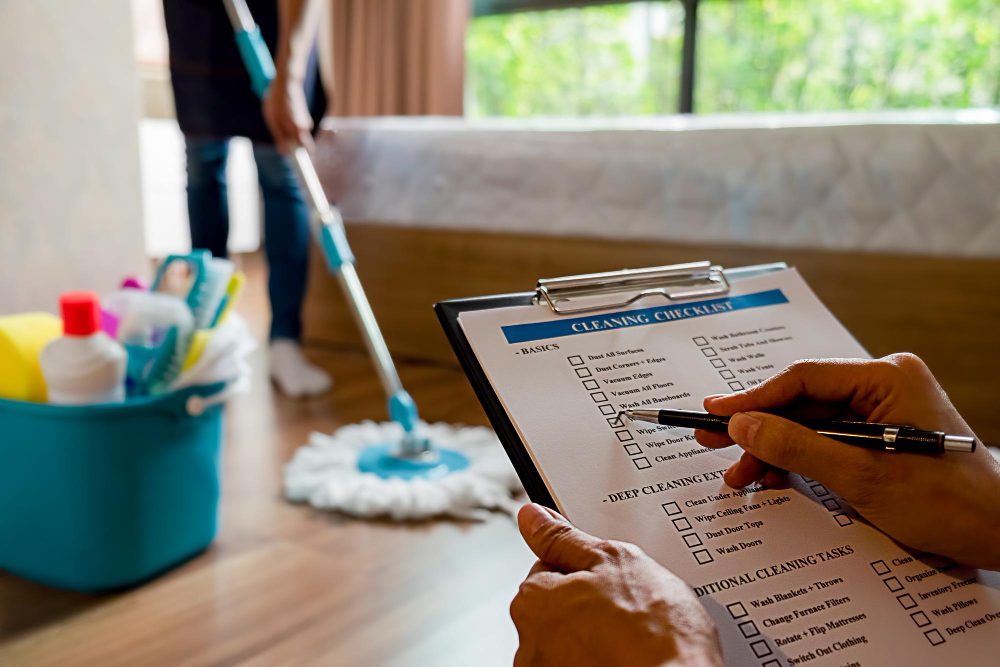
Not all cleaning is the same—some situations call for more than a quick dust and mop.
Think about the difference between tidying up for the weekend and getting your home ready for guests or a move-out inspection. One is routine; the other demands attention to every corner.
Many clients ask us: What exactly is the difference between deep cleaning and regular cleaning? This guide breaks it down in plain terms.
Regular cleaning involves basic upkeep like dusting, vacuuming, and wiping surfaces. Deep cleaning is a more intensive process that targets hidden dirt, built-up grime, and overlooked areas like baseboards, appliances, and under furniture.
What is Regular Cleaning?
Regular cleaning focuses on maintaining a tidy and sanitary environment. It’s the type of cleaning done on a weekly or biweekly basis to keep your space looking presentable and fresh.
Purpose:
General upkeep—keeping surfaces clean, dust under control, and high-traffic areas hygienic.
Frequency:
Weekly, biweekly, or as part of a recurring cleaning plan.
Typical Tasks in a Regular Cleaning Visit:
| Area | Tasks |
|---|---|
| Living areas | Dusting furniture, vacuuming carpets |
| Floors | Sweeping, mopping, or vacuuming |
| Kitchen | Wiping countertops, spot-cleaning surfaces |
| Bathrooms | Light scrubbing of sinks, toilets, mirrors |
| General | Emptying trash bins, tidying up surfaces |
This level of cleaning is ideal for ongoing home or office maintenance—but doesn’t typically include intensive or detailed scrubbing.
What is Deep Cleaning?
Deep cleaning is an intensive, thorough cleaning process that goes beyond regular maintenance to target accumulated dirt and grime in hard-to-reach areas. It’s typically performed every 3–6 months or before significant events to ensure a pristine environment.
Purpose:
- Eliminate buildup: Address areas where dust and grime have accumulated over time.
- Enhance hygiene: Focus on sanitizing spaces to promote a healthier environment.
- Prepare for occasions: Ideal before hosting events, moving in or out, or seasonal transitions.
Key Tasks Involved:
- Appliance interiors: Clean inside ovens, refrigerators, and microwaves.
- Detailed fixtures: Wash baseboards, doors, trims, and moldings.
- Grout attention: Scrub tile grout to remove discoloration and mildew.
- Furniture movement: Shift furniture to clean beneath and behind items.
- High and hidden spots: Dust ceiling fans, vents, light fixtures, and areas behind appliances.
Comparison: Regular vs. Deep Cleaning Tasks
| Task | Regular Cleaning | Deep Cleaning |
|---|---|---|
| Dusting surfaces | Yes | Yes |
| Sweeping and mopping floors | Yes | Yes |
| Wiping countertops | Yes | Yes |
| Cleaning appliance exteriors | Yes | Yes |
| Sanitizing bathrooms | Yes | Yes |
| Cleaning inside appliances | No | Yes |
| Washing baseboards and trims | No | Yes |
| Scrubbing tile grout | No | Yes |
| Moving furniture for cleaning | No | Yes |
| Dusting ceiling fans and vents | No | Yes |
Note: Regular cleaning maintains day-to-day cleanliness, while deep cleaning addresses areas often overlooked, ensuring a comprehensive clean.
Key Differences Between Deep and Regular Cleaning
Understanding the difference between regular and deep cleaning helps you choose the right service based on your needs, time, and budget.
Side-by-Side Comparison
| Feature | Regular Cleaning | Deep Cleaning |
|---|---|---|
| Frequency | Weekly / Biweekly | Every 3–6 months / As needed |
| Time Required | 1–2 hours | 3–6+ hours |
| Focus | Surface-level | In-depth, hard-to-reach areas |
| Ideal For | Ongoing upkeep | Moving in/out, seasonal cleaning |
| Cost | Lower | Higher |
When Should You Choose Deep Cleaning?
Deep cleaning isn’t something you need every week—but there are key times when it makes all the difference.
Ideal situations for deep cleaning:
- Before hosting guests: Make your home looks spotless for gatherings or holidays.
- Moving in or out: Remove old dirt and make the space fresh for new occupants.
- After renovations: Clear out dust, paint splatter, and debris.
- First-time visits: Sets the standard for future maintenance.
- Seasonal resets: Clean neglected areas like baseboards and ceiling fans.
FAQs
How much does a deep cleaning cost compared to regular cleaning?
Deep cleaning typically costs 30–60% more than regular cleaning due to the extra time and labor involved.
How long does a deep clean take?
A deep cleaning usually takes 3 to 6 hours or more, while regular cleaning is often completed in 1 to 2 hours.
What areas are usually missed in regular cleaning?
- Behind appliances
- Inside ovens and fridges
- Baseboards and trim
- Tile grout
- Light fixtures and ceiling fans
These are typically covered in a deep clean.
Does deep cleaning include carpet or upholstery cleaning?
Not always. Standard deep cleaning focuses on surfaces, fixtures, and detailing. Carpet and upholstery cleaning is often an add-on service—check with your provider.