When people find out how much a professional cleaning service costs, the reaction is often the same: “I could just do it myself for that.” And technically, yes, you could. But the question isn’t whether you’re capable of cleaning your own home. It’s whether the full cost of doing it yourself is actually lower than you think.
This guide runs the real numbers, looks at what you actually get from each option, and gives Minnesota homeowners an honest framework for deciding which makes more sense for their household.
The Obvious Costs Most People Compare
Let’s start with the part everyone thinks about first: the direct cash cost.
Hiring a professional cleaning service for a 3-bedroom home in the Twin Cities metro area runs roughly $150 to $250 for a standard clean, or $250 to $400 for a deep clean. On a biweekly recurring schedule, the per-visit cost drops, typically to $130 to $200 per visit.
DIY cleaning: you pay for supplies, and that’s it. A full set of cleaning supplies (all-purpose cleaner, bathroom cleaner, floor cleaner, microfiber cloths, sponges, toilet brush, mop) runs $80 to $150 to stock initially, with monthly restocking costs of roughly $15 to $30. Spread over a year, that’s maybe $250 to $400 in cleaning supplies total.
On this surface comparison, DIY looks cheaper. But this comparison only captures part of the real cost picture.
The Cost Most People Undercount: Your Time
Cleaning a 3-bedroom home thoroughly takes time. Not the “I wiped the counters and vacuumed the living room” version, but an actual thorough clean that covers all the bathrooms, kitchen surfaces, floors, and visible areas.
A reasonable estimate for a 3-bedroom, 2-bathroom home done properly: three to four hours. That includes vacuuming, mopping, two full bathroom scrubs, a proper kitchen clean, wiping down surfaces throughout, and handling the extras that actually make a home feel clean.
If you clean biweekly: that’s 78 to 104 hours per year of your personal time spent cleaning. Monthly cleaning: 36 to 48 hours per year.
What’s your time worth? The Minnesota Department of Employment and Economic Development reports the median hourly wage in the Twin Cities metro at approximately $26 per hour. At that value, 78 hours of cleaning time is worth roughly $2,000 per year. And that’s before accounting for the fact that most people don’t particularly enjoy cleaning, which means those hours carry an additional psychological cost.
When you factor time in as a real cost, the comparison between DIY and professional cleaning shifts considerably.
The Full-Year Cost Comparison
Here’s the honest breakdown for a 3-bedroom home in the Twin Cities metro area.
DIY cleaning (biweekly):
- Supplies: $350 per year
- Time: 104 hours (valued at $26/hour = $2,704 worth of your time)
- Total real cost: roughly $3,050 per year
Professional cleaning (biweekly recurring):
- Service cost: approximately $170 per visit x 26 visits = $4,420 per year
- Supplies: minimal (you keep a few basics on hand for between-visit maintenance)
- Time: maybe 30 minutes every two weeks for light tidying = roughly 13 hours per year
- Total real cost: roughly $4,760 per year (including your marginal time cost)
The cash difference is real: about $1,700 per year in favor of DIY if you value all of your time at median wage. However, a few important factors adjust this picture:
Professional cleaning delivers a consistently higher quality result. The kitchen gets properly degreased. Bathroom grout stays cleaner. Baseboards get wiped. Areas a typical homeowner skips during a cleaning session get addressed routinely.
The mental overhead of managing your own cleaning schedule, buying supplies, and doing the actual work has a fatigue cost that doesn’t show up in an hourly wage calculation.
For households where those 78 hours have high alternative value (a second job, parenting time, a demanding career, a business), the value calculation tips further toward professional service.
The Quality Comparison: Where DIY and Professional Cleaning Really Differ
This is where the conversation gets more nuanced.
Most people clean their homes with the goal of making them look and smell clean. Most of the time, that means counters are wiped, floors are vacuumed, and bathrooms are presentable. These areas get attention.
The areas that don’t typically get attention in a DIY cleaning:
Inside the oven. Most people clean it when it becomes a problem, not routinely.
Grout lines in the bathroom. Wiping the tile surface isn’t the same as cleaning the grout, and grout is where bacteria and mildew actually accumulate.
Behind and under appliances. The area under the refrigerator, behind the stove, and under the washing machine gets attention maybe once a year in most households.
Ceiling fan blades. The top surface collects significant dust that’s distributed into the air every time the fan runs.
Baseboards. Easy to skip, collects dust and pet hair, rarely done consistently.
Window tracks. Accumulated debris in window tracks is invisible from most angles and almost never cleaned in a DIY routine.
Inside kitchen cabinets. Crumbs and residue collect in cabinet corners and are typically invisible until they’re enough to be noticed.
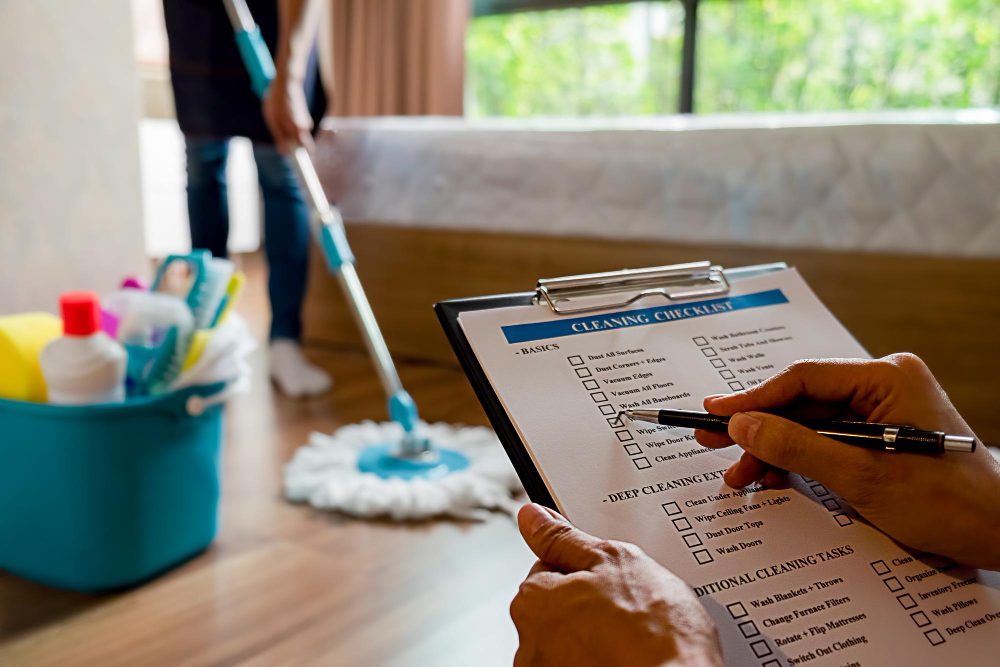
A professional cleaning service with a comprehensive checklist covers these areas on a schedule, not just when they become obvious problems. Over time, the difference between a professionally maintained home and a DIY-cleaned home accumulates in these details.
Where DIY Cleaning Has a Genuine Advantage
Being fair about this matters.
For small households in small spaces, DIY cleaning can be genuinely time-efficient. A studio or one-bedroom apartment cleaned by a single resident who’s tidy doesn’t take three hours. For this type of household, the economics of professional cleaning are less compelling.
When you want complete control over products, some people have strong preferences about cleaning chemicals: fragrance-free only, specific eco-certifications, particular brands. DIY gives you complete control over what touches your surfaces.
Flexibility without scheduling. With DIY, you clean when you have time, even if that’s a Tuesday evening. Professional scheduling requires coordination.
Immediate response to spills and messes. If the dog makes a mess at 11 PM, you can deal with it yourself. A cleaning service operates on a schedule.
These are real advantages. The honest picture includes both sides.
The Hybrid Approach: What Many Minnesota Homeowners Actually Do
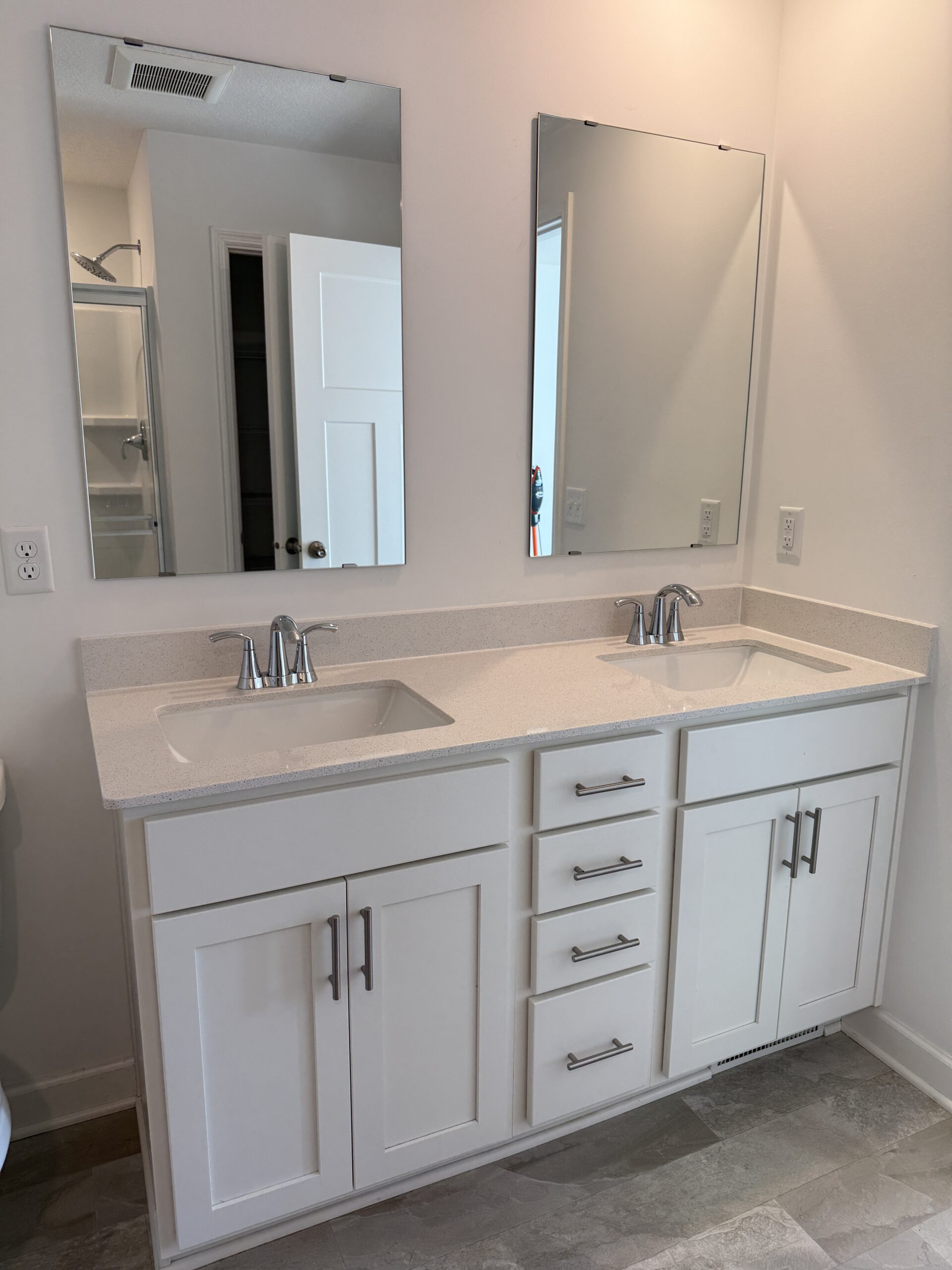
A lot of households land somewhere between full DIY and full professional service, and it often makes more financial sense than either extreme.
One common pattern: biweekly professional cleaning for the bathrooms, floors, and kitchen, combined with the homeowner handling laundry, dishes, and daily tidying between visits. The professional service handles the time-consuming and physically demanding work; the homeowner manages the ongoing light maintenance.
Another pattern: monthly professional deep cleaning, with a more thorough DIY routine every two weeks in between. The professional clean handles what the DIY routine misses; the DIY routine manages the week-to-week condition.
Our recurring cleaning service is built to fit into either of these patterns. We offer weekly, biweekly, and monthly options so you can find the schedule that makes sense for your home and budget.
When Professional Cleaning Clearly Wins
There are situations where the comparison isn’t really close.
Move-out cleaning. Landlords in Minnesota have specific expectations and legal rights to deduct cleaning costs from deposits. The standard for move-out cleaning is higher than routine maintenance, and the financial stakes of getting it wrong (losing deposit money) are real. Our move-in/move-out cleaning is designed specifically for this situation.
Post-event cleanup. After hosting 30 people for a holiday dinner, professional cleanup is the difference between losing Sunday morning and keeping it. Our special event cleaning handles both pre and post-event cleaning.
Homes with heavy pet traffic. Homes with multiple dogs or cats require more thorough cleaning to stay on top of pet hair, dander, and odor. Professional service with the right equipment makes a meaningful quality difference.
Post-illness or post-renovation. These situations require a level of thoroughness, and in some cases specific cleaning protocols, that go beyond standard DIY routines. Our deep cleaning service covers these scenarios.
Busy professionals and dual-income households. When two adults are both working full-time, commuting, and managing children, the opportunity cost of three to four hours of cleaning every two weeks is high. For many of these households, professional cleaning is simply a practical decision that makes their schedule manageable.
How to Decide What’s Right for Your Household
A few questions that clarify the decision:
How many hours per year are you currently spending on cleaning? Calculate it honestly: frequency times duration. Multiply by what you’d pay yourself to do anything else with that time.
What’s the quality level you’re actually achieving? Be honest about whether the oven interior gets cleaned regularly, whether grout gets attention, and whether your home is at the standard you actually want it to be.
Is your home currently behind? If cleaning has been inconsistent and the home has accumulated buildup, starting with a professional deep cleaning and then deciding on a maintenance approach makes sense.
Do you have specific events or transitions coming up? A move, a renovation, regular hosting: these situations benefit from professional help regardless of your overall approach to daily cleaning.
SHINENOS works with homeowners across Eden Prairie, Edina, Minneapolis, Minnetonka, Plymouth, Maple Grove, Wayzata, and Excelsior to find the right approach for each household’s actual situation.
The Intangible Factor
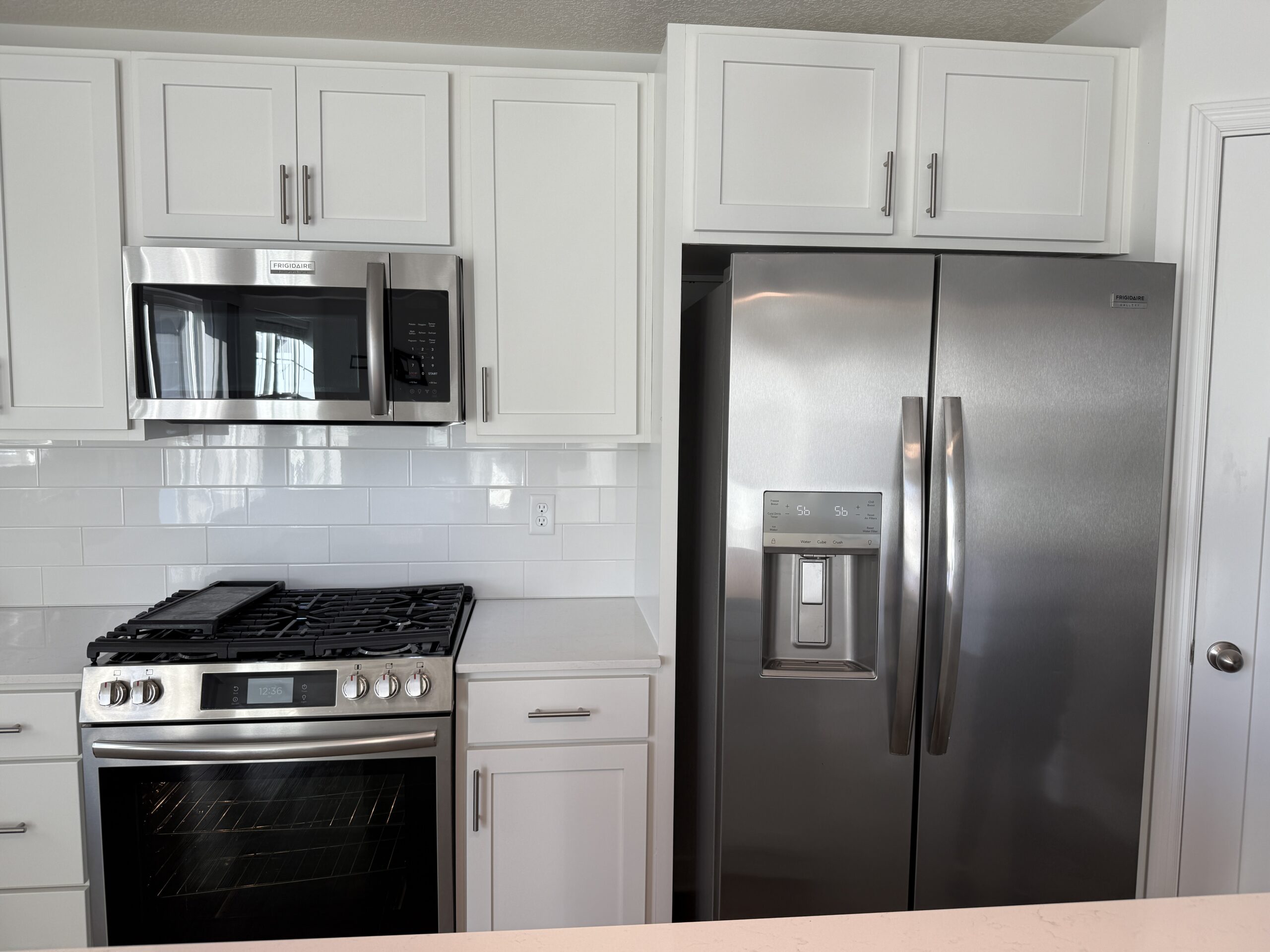
There’s something the cost comparison doesn’t capture: how it feels to come home to a clean house when you didn’t do the cleaning yourself.
Research from the Journal of Personality and Social Psychology found that people consistently underestimate how much satisfaction they’ll derive from spending money on time-saving services, and overestimate how much they’ll enjoy material purchases. The experience of a reliably clean home you didn’t have to spend your weekend maintaining is consistently rated more positively than people predict before they try it.
Whether that’s worth the cost difference is genuinely a personal decision. But it’s worth knowing that the experience tends to be more valuable than the numbers alone suggest.
Frequently Asked Questions
Is professional cleaning worth it for a single person in a small apartment?
For a studio or one-bedroom apartment with a single occupant, the time savings are smaller and the cost may be harder to justify. Monthly professional cleaning combined with simple daily habits works well for small spaces. Biweekly is harder to justify economically for very small apartments.
How do I know if a cleaning service is actually thorough?
Ask for a specific checklist of what’s included. After a cleaning visit, check a few areas that are commonly skipped in less thorough cleans: inside the oven, the top of ceiling fan blades, bathroom grout lines. These tell you quickly whether the service is comprehensive.
What if I want eco-friendly cleaning products?
Ask any service you’re considering what products they use. Many companies, including SHINENOS, can accommodate requests for eco-friendly or fragrance-free products. This is worth asking about upfront rather than after booking.
Can I negotiate a lower rate for recurring service?
Recurring clients typically receive a lower per-visit rate than one-time clients automatically. You can also discuss rate adjustments based on scope if certain areas are excluded.
How do I make professional cleaning cost-effective?
Keep the home reasonably tidy between professional visits. Picking up clutter before the team arrives means more of the visit goes toward actual cleaning rather than working around disorder. A clean home maintained consistently also takes less time to clean per visit, which is reflected in pricing.
Should I start with a deep clean before beginning recurring service?
Yes, for most homes. A deep clean establishes a clean baseline that maintenance cleaning can realistically maintain. Maintenance cleaning a home that hasn’t been deeply cleaned works, but takes longer and delivers less satisfying results.
Find the Right Level for Your Home and Budget
Professional cleaning isn’t an all-or-nothing decision. Some households use it biweekly for full coverage. Others use it monthly as a supplement to their own routine. Some book one-time or seasonal deep cleans and handle day-to-day maintenance themselves.
SHINENOS helps you figure out what actually makes sense. If you’re ready to see what professional cleaning does for your home, book your first clean today and see the difference for yourself.